

Grief and Healing

The death of a loved one is often described as something to be “worked through” or “healed from.” Popular psychology emphasizes closure, resilience, and recovery, implying that grief follows a trajectory toward resolution. Yet for many, loss does not diminish in any linear or predictable way. Instead, it persists, reshaping identity, time, and meaning. Recent philosophical work challenges the assumption that grief is a problem to be solved at all.
Philosopher Kieran Setiya has argued that grief resists the dominant therapeutic model of healing, not because something has gone wrong, but because grief reflects the enduring value of what was lost. In this view, the persistence of grief is not pathological—it is appropriate.
Grief as a Rational Response

Setiya’s account begins with a simple claim: grief is not merely an emotional reaction but a form of recognition. To grieve is to acknowledge that someone or something mattered in a way that cannot be replaced. Attempts to “move on” too quickly risk mischaracterizing the nature of the loss.
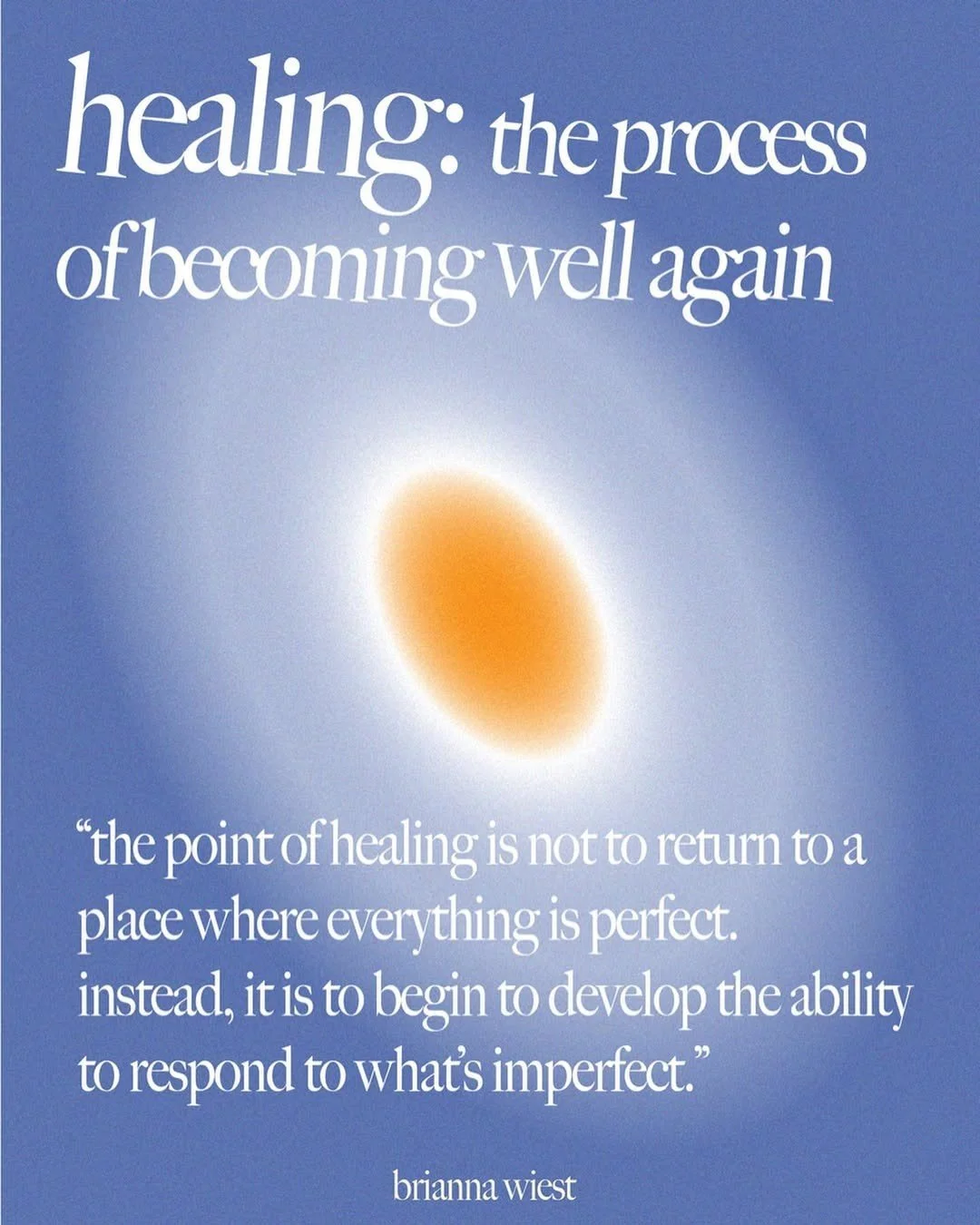
Traditional models of grief often emphasize adaptation and acceptance. While these frameworks can be helpful in acute phases of bereavement, they may inadvertently suggest that ongoing grief represents failure or stagnation. Setiya challenges this assumption, arguing that some losses permanently alter the reasons one has to live in certain ways. Healing, in this context, does not mean returning to one’s previous state.
The Limits of Goal-Oriented Recovery
In his broader philosophical work, Setiya critiques what he calls “telic” approaches to life—models that define meaning in terms of achieving goals. Grief exposes the limits of this orientation. When a loved one dies, no future achievement can compensate for the loss. The value of the relationship was not instrumental; it was intrinsic.
This insight has implications for how grief is treated clinically and socially. Modalities of healing that emphasize productivity, forward motion, or emotional resolution may fail to address the nature of grief itself. For many, the problem is not that life lacks future goals, but that past goods remain irreplaceable.
Modalities of Healing Without Erasure
Contemporary approaches to grief increasingly recognize that healing does not require forgetting or detaching. Instead, they focus on integration—finding ways to live with loss rather than eliminate it. Common modalities include:
Narrative practices, which allow individuals to incorporate loss into their life story without forcing coherence or closure.
Continuing bonds approaches, which accept ongoing emotional relationships with the deceased as healthy rather than dysfunctional.
Philosophical reflection, which reframes grief as a response to value, not a disorder.
Ritual and communal mourning, which situate grief within shared practices rather than isolating it as a private failure.
These approaches align with Setiya’s view that grief should not always be expected to diminish. Instead, its presence may signal fidelity to what mattered.
When Grief Becomes Complicated
This perspective does not deny that grief can become overwhelming or debilitating. Prolonged grief disorder and severe depression require clinical attention. The distinction lies in whether grief prevents basic functioning or merely resists erasure. The goal of treatment, in such cases, is not to eliminate grief entirely but to reduce suffering while preserving the meaning embedded in loss.
Setiya’s work helps clarify this boundary by distinguishing between grief as an acknowledgment of value and despair as a loss of the ability to live at all.
Rethinking What It Means to Heal

Grief challenges cultural assumptions about progress, productivity, and emotional optimization. Not all wounds close, and not all pain is a problem to be fixed. Some losses mark the limits of substitution.
Healing, then, may consist less in recovery than in accommodation: learning how to live well in a world that has been permanently altered. Philosophy does not offer consolation in the form of solutions, but it can offer clarity—particularly the reassurance that enduring grief is not always a sign of failure, but sometimes a measure of love.
In this sense, grief is not the opposite of meaning. It is one of the ways meaning remains.