

Advice for Young People, Part 3 Money
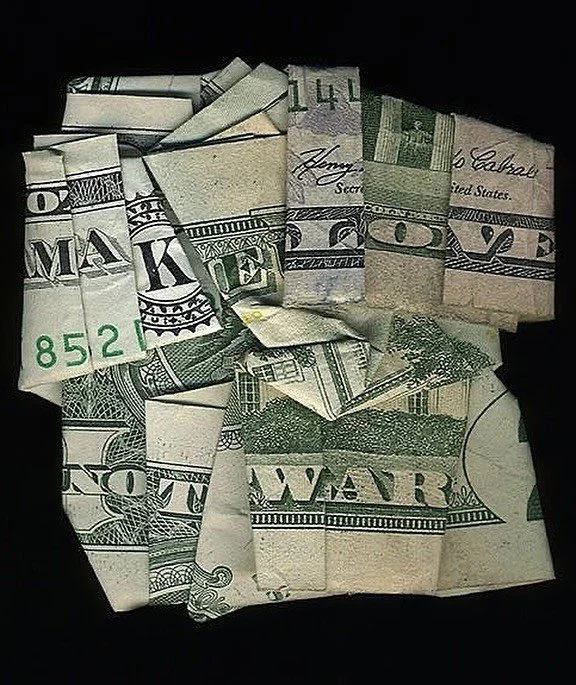
Money is one of those things everyone thinks they understand—until they don’t. We’re told it’s the key to happiness, status, and success, yet we’re also warned that it corrupts, distracts, and hollows people out. So what is money, really? Where does it come from? And if you’re born without it, are you doomed to stay that way?
These questions matter more now than they did for previous generations. For young people today, money isn’t just about comfort—it’s about survival, dignity, and choice.
If You’re Born Poor, Do You Stay Poor?
Upward mobility—the idea that you can climb the economic ladder through hard work—has long been central to the American Dream. But the data tells a more complicated story. Since the 1970s, intergenerational mobility in the United States has declined sharply. A child born in the 1980s has about a 50/50 chance of earning more than their parents, a dramatic drop compared to earlier generations.
Why? Several forces are working at once. Wages for most workers have stagnated even as productivity and profits have risen. Income and wealth inequality have widened, making it harder for people at the bottom to catch up. Where you grow up—your neighborhood, school quality, and social environment—has become one of the strongest predictors of future economic success. Race and geography matter, too, with people of color and those in under-resourced regions facing steeper barriers.
Education and skills still matter, but access to quality education is uneven. Social capital—who you know, who vouches for you, who opens doors—often matters as much as talent. Economic growth alone isn’t enough; how its benefits are distributed determines whether people can actually move up.
That said, the story isn’t only bleak. Some research suggests that movement into the upper-middle class still happens, just less broadly and less reliably than before. And newer frameworks for understanding mobility—like those proposed by the Urban Institute—go beyond income alone. They include dignity, community belonging, and power: the ability to influence your own life and environment.
In other words, mobility isn’t dead—but it’s constrained, uneven, and shaped by systems larger than individual effort.
The Cult of Materialism
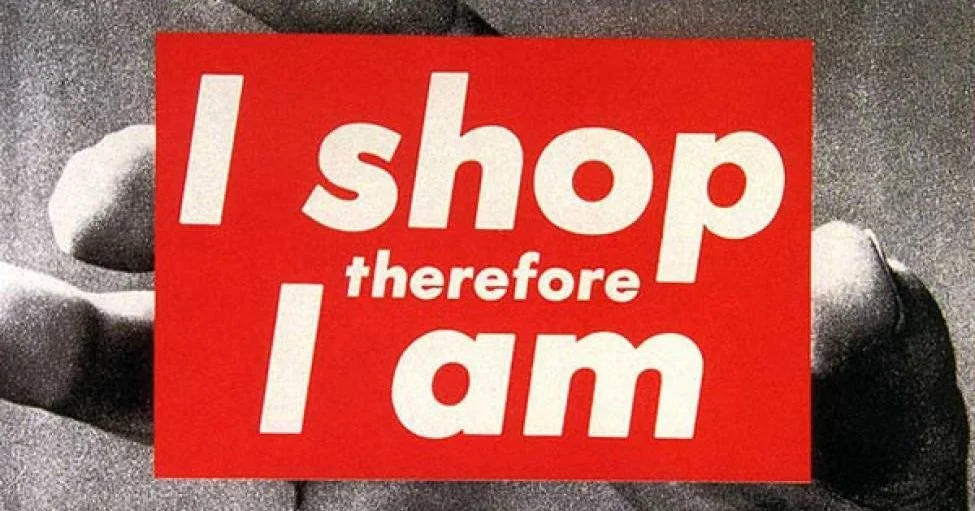
Scroll through social media and you’ll see a very specific fantasy of wealth: mansions, designer clothes, infinity pools, champagne flutes, private jets. Influencers sip Bellinis poolside. Celebrities live in a nonstop parade of luxury. This version of money is loud, shiny, and deeply misleading.
That’s not what money is about. That’s consumerism—being trained to want things that signal status rather than things that improve your life. It’s a distraction.
What people actually want is freedom. Experiences. The ability to say no. The ability to rest. The ability to leave.
Money doesn’t make you happy, but the lack of it can make you miserable. And having enough of it can remove a huge amount of stress, fear, and limitation. The goal isn’t yachts and Porsches; it’s autonomy.
Where Does Money Come From?
Realistically, money comes from a few places. You can inherit it. You can marry into it. You can get extremely lucky. Or you can work very, very hard and still maybe get some of it.
For most people—especially those from poor or working-class backgrounds—there’s no safety net and no secret shortcut. Money usually comes from work, business, or some combination of skill, persistence, and timing. Starting a legal business, learning a valuable trade, or building something people actually need are all viable paths. None are easy. All require patience and discipline.
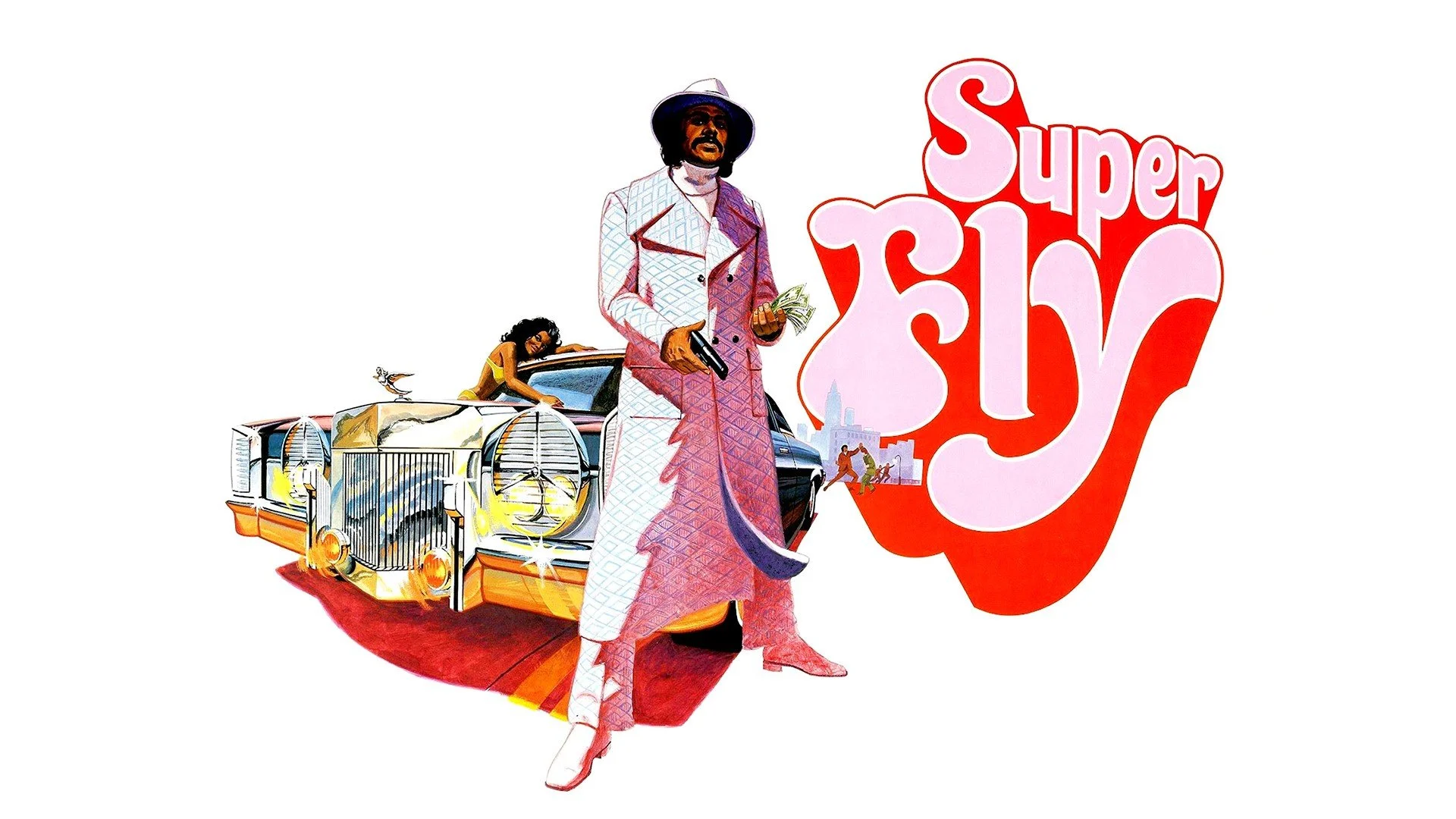
Popular culture sometimes explores more dangerous paths to money as a way of dramatizing how powerful—and tempting—it can be. The 1970s film Super Fly, for example, portrays a drug dealer who sees money as a means to escape, not as an end in itself. The character struggles to keep the work “just business” and not let it consume him. What’s important isn’t the legality of the plot, but the underlying truth it reveals: money promises freedom, but the way you get it can trap you if you’re not careful.
The takeaway isn’t that risk or exploitation is the answer. It’s that money has power—and power always comes with consequences. The challenge is finding ways to earn it that don’t cost you your health, safety, or soul.
Henry David Thoreau’s famous quote regarding sacrifice and cost from Walden is: "The price of anything is the amount of life you exchange for it". Found in the "Economy" chapter, this highlights that the true cost of possessions or pursuits is the time, energy, and freedom—or "life"—you trade for them.
Key aspects of this philosophy include:
Time as Currency: Thoreau argues that everything you buy or do costs a portion of your limited existence, not just money.
Intentional Living: The quote encourages mindfulness, asking if what you are working for is worth the sacrifice of your days.
"Broad Margin": He advocated for not sacrificing the "bloom of the present moment" for unnecessary work.
What Money Is Actually For?

Money isn’t about private planes or hot tubs. It’s about not being cornered.
Money gives you choices. That’s worth repeating: money gives you choices.
It lets you leave a job you hate. It lets you stay in a relationship because you want to, not because you’re trapped. It lets you help a disabled child access resources. It lets you take time off when you’re burned out. It lets you move, rest, say no, say yes.
That’s why money matters. Not because it makes you better than other people, but because it gives you leverage over your own life. With more money comes more freedom, more flexibility, and more power over your time.
So make money. Save money. Respect money. Just don’t let it make you.
Safety, Exploration, and a Home Base
“Be yourself; everyone else is already taken,” Oscar Wilde famously said—but being yourself doesn’t mean being reckless. Most people want two things at once: to feel safe and to explore. These aren’t opposites.
Build a solid home base. Invest in friendships, family, and community. Create stability where you can. From that foundation, you can take risks—creative, professional, emotional—without losing yourself. Safety makes exploration possible.
Career: Finding the Sweet Spot How to Ikigai
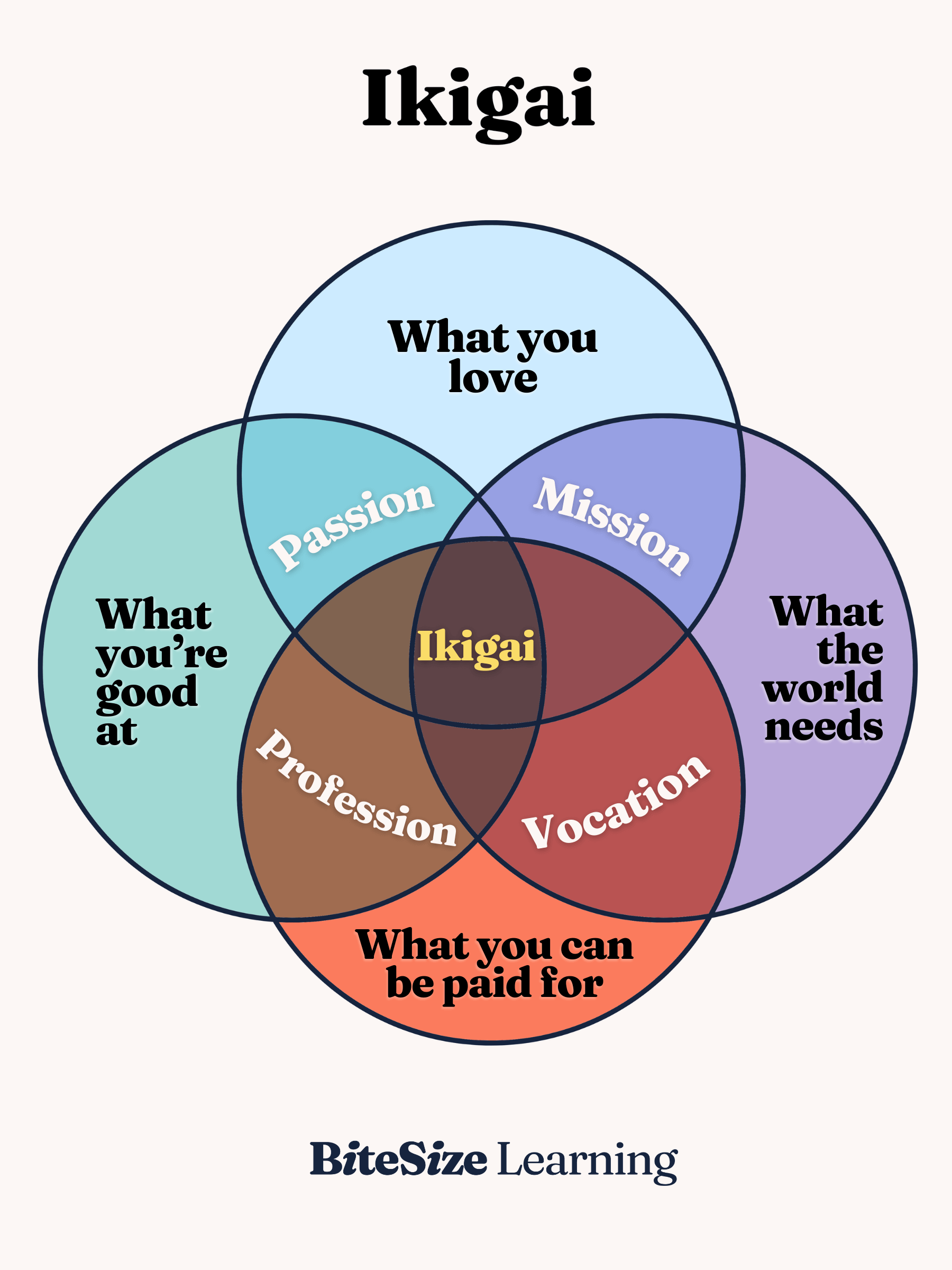
When it comes to careers, the biggest lie is that you must choose between money and meaning. In reality, most sustainable paths blend both.
A good rule of thumb is to look for the intersection of four things: what you’re good at, what you care about, what the world needs, and what the market will pay for. That “sweet spot” looks different for everyone.
Start with self-assessment. Understand your interests, skills, values, and personality. Tools like the O*NET Interest Profiler or personality assessments can help, but so can honest reflection. Then explore options. Some people find fulfillment in stable, well-paying jobs that fund passion projects on the side. Others build careers directly around their talents and values.
It’s not either/or. You can be practical and idealistic at the same time.
Final Thought
Money won’t save you. But it can give you room to breathe.
In a world where mobility is harder, inequality is real, and the odds aren’t evenly distributed, understanding money clearly—without worshiping it or demonizing it—is a form of power. Aim for freedom, not flash. Build a life with choices. And remember: money is a tool. You decide what it’s for.
Designing Your Life: How to Build a Well-Lived, Joyful Life Hardcover – September 20, 2016
by Bill Burnett (Author), Dave Evans (Author)
https://www.amazon.com/s?k=designing+your+life&adgrpid=1330409640429184&hvadid=83150841242811&hvbmt=be&hvdev=c&hvlocphy=51673&hvnetw=o&hvqmt=e&hvtargid=kwd-83150959343040%3Aloc-190&hydadcr=22538_13494488&mcid=d90692256fb939908dd9b6cb0e683b71&msclkid=f5e2f5d144ea19554e899fd283f2b60f&tag=mh0b-20&ref=pd_sl_9ch43145tm_e
How to Ikigai | Tim Tamashiro https://youtu.be/pk-PcJS2QaU?si=KurR5WZcUTPxXaxE
Super Fly (1972) Official Trailer https://youtu.be/VYZUWzv_FaY?si=VLddNWVu5bp_YlAE
What Would Jesus Buy Trailer https://youtu.be/sGi21YQFjMM?si=U9l_gVOckMeRT4Ga
Documentary on the Cult of Materialism https://youtu.be/_qIBxXLMCL0?si=9TV6Hs6DZtsV0sjN