

Mr. Number Data is New oil
The App That Knows Your Business: Mr. Number, Hiya, and the Hidden Cost of Caller ID
An investigation into the crowd-sourced call-blocking app used by sex workers to screen clients — and what the company quietly collects in return
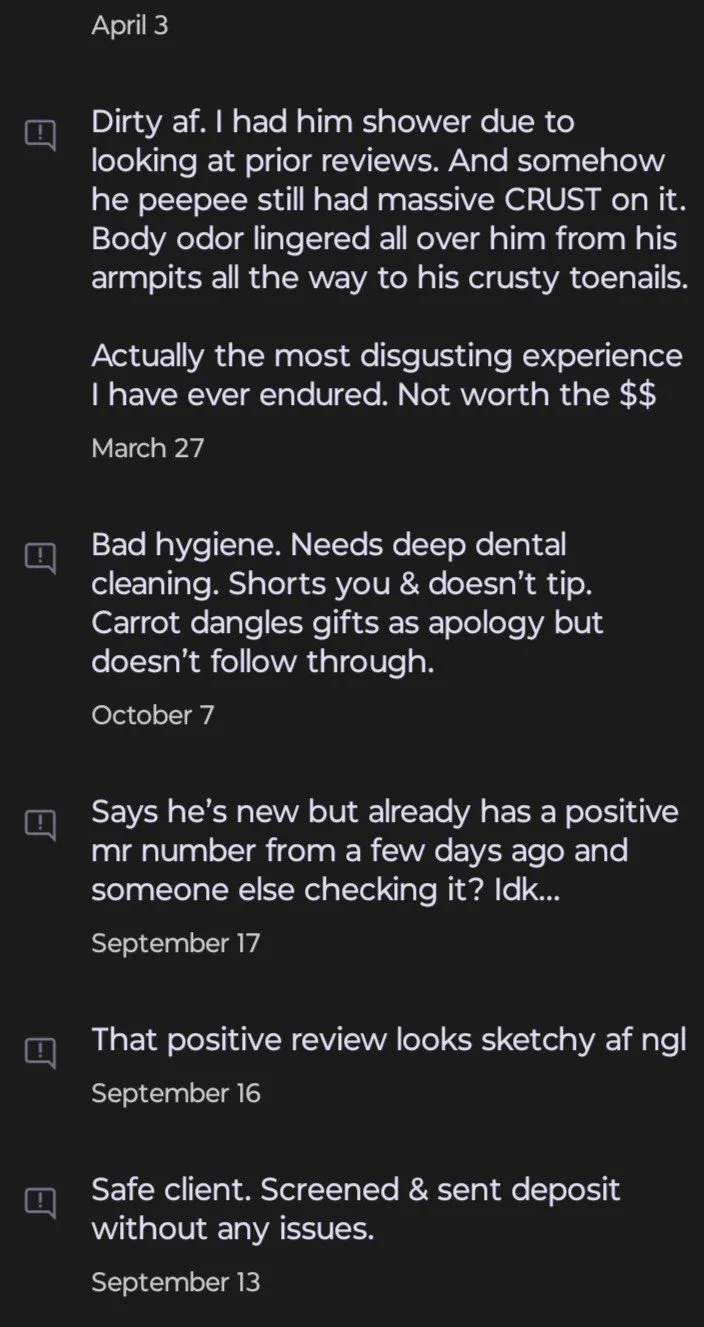
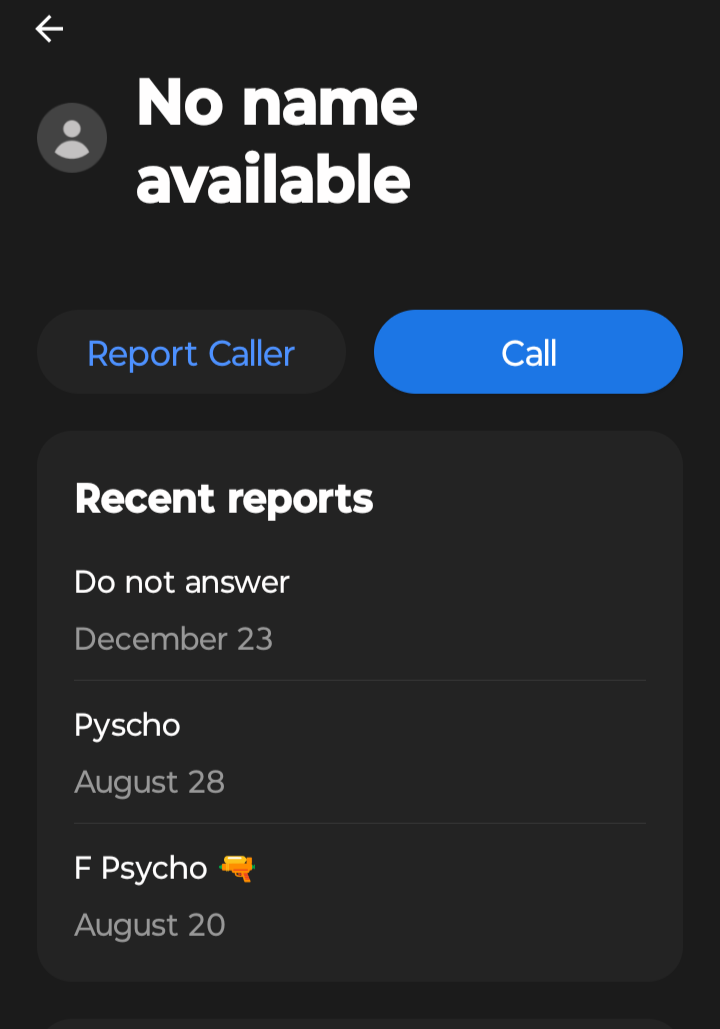
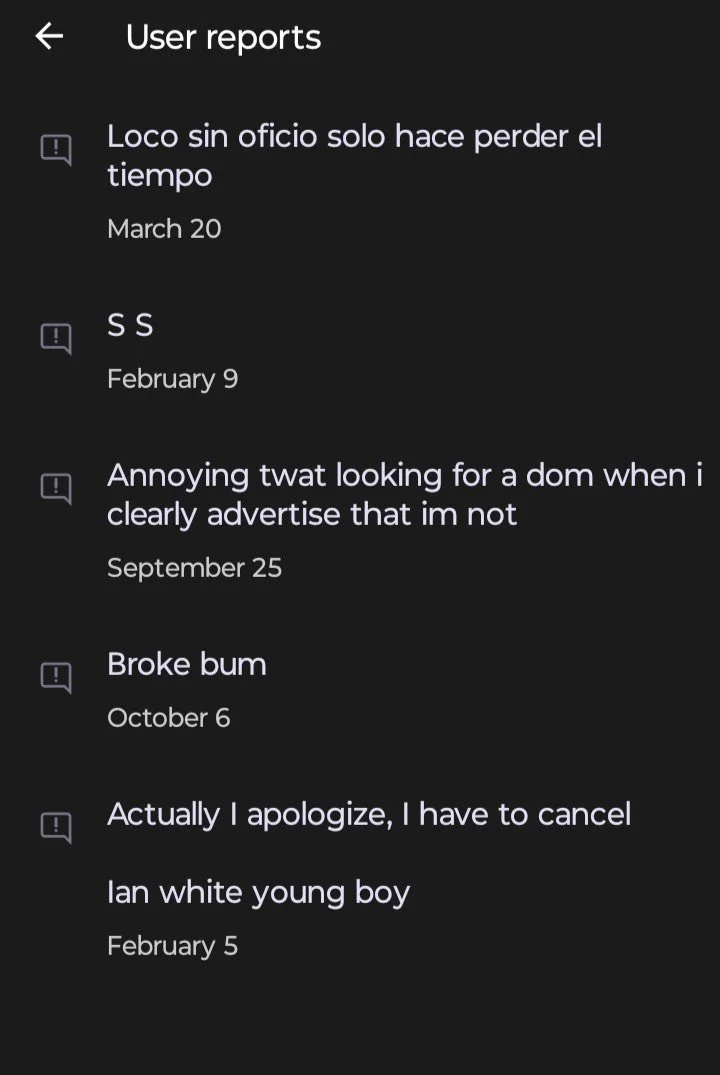
When a sex worker gets an inquiry from an unknown number, the first thing many of them do is type it into Mr. Number. The app, which markets itself as a spam-call blocker, has become an informal intelligence network within the industry: a crowd-sourced database where women/workers anonymously flag dangerous clients, time-wasters, and abusers. Run a number, and you might see notes left by other providers — warnings about a man who got sketchy, weird, and or client who refused to pay, or someone known to solicit without intention of booking.
It is, in many ways, a brilliant repurposing of consumer technology. But the people who rely on it most may be the least aware of what they're giving up to use it.
Who Owns Mr. Number?
The app's origin story begins with a California startup. Mr. Number, Inc. was founded around 2010, based initially in Palo Alto, and built a crowd-sourced phone directory that let users look up unknown numbers and block unwanted calls. The business model was simple: the base app was free, caller ID and reverse lookup cost between $1.99 and $9.99 a month, and data was collected from the crowd — users who reported spam calls, flagged telemarketers, and optionally shared their contact lists to improve the database.
In 2013, Whitepages — the Seattle-based company best known as an online white pages directory — acquired Mr. Number for an undisclosed sum, purchasing only the technology and assets. The timing mattered: Whitepages had spent years building one of the largest databases of contact information on Americans. According to company history, by 2008, Whitepages had data on roughly 90 percent of the U.S. adult population, including 200 million records on people and 15 million business listings, sourced from property deeds, telecom companies, and public records. Absorbing Mr. Number's crowd-sourced call database fit neatly into that strategy.
Then, in 2016, Whitepages founder Alex Algard spun off the caller ID and spam-blocking business into a new standalone company called Hiya. Algard stepped down from Whitepages to run Hiya personally. Today, if you download Mr. Number from the App Store, the copyright notice reads: ©2023 Hiya, Inc. Hiya is headquartered in Seattle, Washington.
In other words: Mr. Number is not an app built by a scrappy couple in San Mateo for consumer protection. It is a product of Hiya, a venture-backed company that has struck partnership deals with Samsung and T-Mobile, integrated its caller ID technology into hundreds of millions of phones globally, and operates one of the most comprehensive telephone data networks in the world.
What the App Collects

The privacy implications of Mr. Number begin not with what users knowingly submit, but with what the app quietly requests access to.
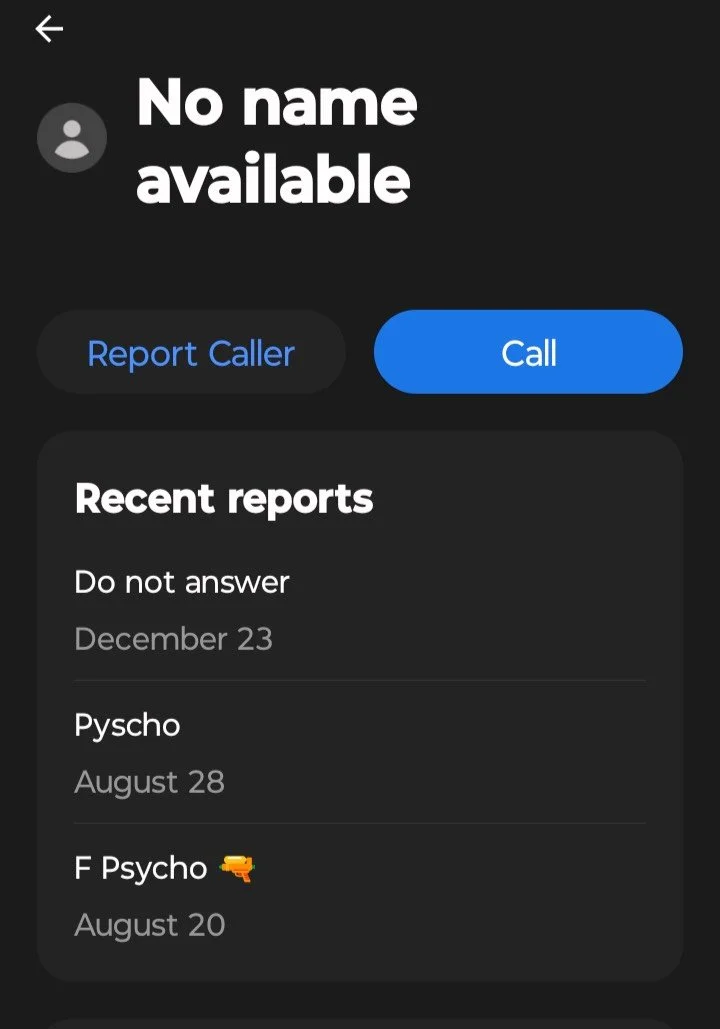
To function, Mr. Number needs — at minimum — your phone number. But the app requests, and many users grant, substantially more. It accesses call logs, contacts, and device identifiers. One of Mr. Number's most controversial early features was a crowd-sourced caller ID system that worked by having opted-in users share their entire contact list with the app. This meant that if you were in someone's address book, your name and number were uploaded to Mr. Number's servers — even if you had never downloaded the app and never consented to being included in a commercial database. Google eventually forced Mr. Number to disable this feature in 2012, calling it a violation of its terms of service. Critics noted that collecting personal information for all contacts stored in a phone was, as one tech journalist wrote at the time, "just shady, even with the phone owner's permission."
The crowd-sourced caller ID feature was shut down, but the underlying model — harvesting data from users to build a shared intelligence database — did not go away. It is, in fact, the core of what Mr. Number does. Every number you look up, every spam report you file, every call you block and flag contributes to the database. The app also tracks what it calls "unusual patterns of calls and texts" to identify spammers. For someone running a small service-based business entirely through their personal phone — a plumber, a house cleaner, a personal trainer, a sex worker — this means the app is, in effect, mapping their professional life: who calls them, when, how often, and what they've been flagged as.
Hiya's own privacy policy acknowledges that the company may retain "call and Service activity logs" for an indefinite period after a user stops using the app, citing "statistical purposes." The policy also discloses that aggregated, de-identified data may be shared with third parties for "marketing, advertising, research, or similar purposes."
In 2018, CNET and TechCrunch reported that Hiya was sending basic device data to third-party analytics companies — including OS version and device timezone — without users' explicit consent. Hiya issued an app update and explained that the analytics tools in question, like Google Analytics, are widely used across the industry. This is true. It is also true that the scope of data collection by consumer apps is notoriously difficult for ordinary users to audit or understand.

The Safety Case
For sex workers — especially women working independently — Mr. Number fills a genuine gap.
Sex workers have always maintained informal safety networks. "Bad date" and "ugly mugs" lists, in which workers warn each other about dangerous clients, date back decades. In Vancouver, the Alliance for the Safety of Prostitutes launched a bad dates list in 1983. In Australia, a similar scheme began in 1986. The internet accelerated these networks dramatically, allowing workers to share information faster and at greater scale. It’s worth noting that the majority of bad dates list are people who do no call or no shows — people call them time wasters, they are not necessarily violent.
Mr. Number became part of this ecosystem almost organically. Because it is crowd-sourced and anonymous, workers can leave notes on client phone numbers without identifying themselves, without knowing one another, and without building formal infrastructure. A note might read like a business warning — "this person is time waster" or "No show" — and it can be left or read by anyone with the app.
The screening function is meaningful. The ability to vet clients before meeting is one of the most effective harm-reduction tools available. Online platforms, digital payment systems, and caller ID databases have all been identified as safety resources precisely because they allow workers to gather information before committing to an encounter. The internet has let workers "implement safety protocols with greater speed, and on a far greater scale" than was previously possible.
Mr. Number provides a version of this: a searchable database of community-generated warnings about specific phone numbers. That is genuinely useful. The problem is that safety and surveillance are, in this case, the same infrastructure.
The Data Paradox
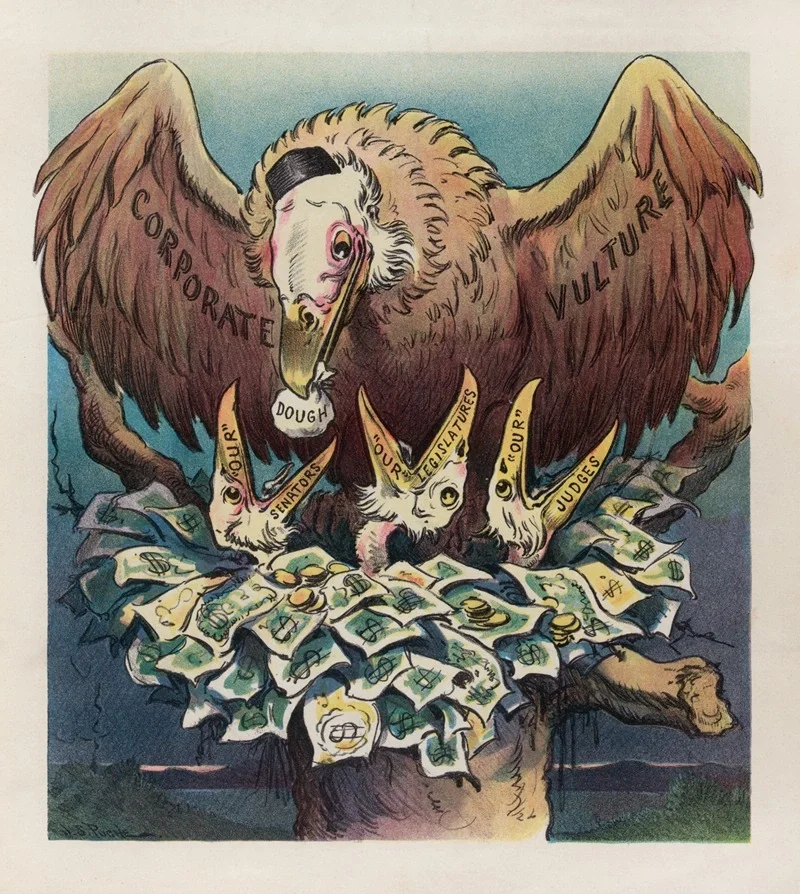
When a sex worker runs a client's number through Mr. Number, they are also, in the same gesture, running their own number through a corporate database that logs the interaction. The app knows: who they are, based on their registered phone number. It knows the number they searched. It knows when they searched it. If they leave a comment or flagging on a number, the app knows that too. If they also use the app to block calls, it knows their call patterns across their entire phone history.
From a population-level view, this creates a remarkably detailed portrait of the industry. Mr. Number would have data on which phone numbers are frequently searched alongside certain flagged terms, which numbers are associated with client complaints, which numbers are associated with service providers. It would know the frequency and timing of certain kinds of interactions — patterns that, with enough data and analysis, could reveal the shape of a professional network operating in a legally gray or criminalized space.
This is not a hypothetical concern. Sex workers and their clients are surveilled by law enforcement as a matter of course. A report from the Erotic Service Provider Legal Education and Research Project (ESPLER) documented California law enforcement using techniques including phone data extraction, cell tower analysis, and collaboration with for-profit technology firms to access personal databases — often without warrants — in the course of investigating sex work. Law enforcement agencies have, in documented cases, purchased data from data brokers to conduct investigations that would otherwise require court authorization.
Privacy advocates have named this the "data broker loophole": federal law requires a warrant or subpoena for police to compel a telecom company to hand over location data, but law enforcement can legally purchase equivalent data from a commercial data broker. Hiya's own privacy policy explicitly states that user data may be disclosed to comply with a court order, subpoena, or "other legal process" — which is standard boilerplate, but also precisely the legal mechanism law enforcement would use to access records.
Sex workers operate in an environment where decriminalization is actively debated but has not arrived. If the law changes — in either direction — the data already collected does not change with it. Hiya has accumulated years of call and search logs. An app beloved partly because it helps workers identify and flag clients is also an app that has logged every phone number those workers have ever interacted with through its platform.

What Happens to the Data?
Hiya states clearly that it does not sell user information to third parties. In a 2018 blog post, the company distinguished itself from competitors by explicitly declining to sell user data to law firms or litigation-lead generation companies. "We are not in the business of selling private consumer information," the post reads.
But "not selling" data and "fully protecting" data are not the same thing. Under Hiya's privacy policy, data can be shared in response to legal demands, disclosed to "protect against harm," and aggregated and de-identified for commercial research purposes. De-identification is also not a guarantee of privacy: research has repeatedly shown that supposedly anonymous datasets can be re-identified when combined with other available information.
Hiya is a well-funded company with carrier partnerships at industrial scale. Its relationship with Samsung alone spans multiple product cycles and dozens of countries. The company's core asset is its database of telephone behavior — who calls whom, what numbers are associated with spam, how calling patterns change over time. That database grows more valuable as it grows larger. And users who rely on Mr. Number, unknowingly or not, among its primary contributors.
For someone running an informal business through a personal phone — whether as an escort, a massage provider, or any other worker whose professional life is largely phone-based — this means their client list, their call history, and their professional reputation (as flagged by others) are embedded in a corporate database over which they have limited control and limited visibility.
The Bigger Question
There is nothing illegal about what Mr. Number does. Most consumer apps collect this kind of data. The terms of service are publicly available, if not particularly readable. The privacy policy is disclosed.
But disclosure is not the same as understanding, and the people with the most at stake may be those with the least access to legal and technical resources to read the fine print carefully. For sex workers especially — who often operate pseudonymously, maintain separate numbers for work, and invest significant energy in separating their professional and personal lives — an app that appears to be a safety tool but is, structurally, a surveillance infrastructure operated by a venture-backed telecom data company represents a particular kind of risk.
The question is not whether Hiya is acting in bad faith. It may well not be. The question is what happens to years of indexed call and search data in a legal environment that is still working out whether sex work is criminal, who the targets of enforcement are, and what data companies are required — or compelled — to hand over when asked.
With the rise of technology and artificial intelligence, data is more valuable than gold. Every click, like, share, or search on the internet creates a trace that is more valuable to tech companies than any precious metal. Why? Because data is not just information – it is the key to your behavior, preferences, and even future decisions. Discover with us how the internet economy works and why your data is so valuable.

data: the new currency of the digital age
Every move you make on the internet is like a coin you give to companies. When you browse new sneakers on an e-shop, like a photo on social media, or enter what bothers you into the search engine, you generate data. This data is not just random digits – it is pieces of information about what you like, what you buy, where you live, who you talk to, and even what annoys you.
For tech companies, like Google, Meta, or Amazon, and as well sex work platforms this data is like raw material that they extract, process, sell, and, most importantly, make huge profits from. It is estimated that the global data market reached a value of over $220 billion in 2024 and is expected to grow to over $1 trillion by 2030.We live in a time where data is more valuable than gold. Data is the New oil. Tech giants are the new oil barons. Just like oil, data needs to be refined and processed to have the wealth extracted. Women don’t own there own small business data. It’s your little black book made public. This is just stealing! The rationalize is it’s for your own safety but only partially true. This Data will be sold to your competitors in business. The power of Data taken it from the women to the potentially put in the hands brothel owner or human traffickers. Mr. Number knows your business. The question is: who else does?
Sources
Whitepages Acquires Mr. Number. Yahoo Finance / Marketwired, May 31, 2013.https://finance.yahoo.com/news/whitepages-acquires-mr-number-120100019.html
Mr. Number — Company Profile. CB Insights.https://www.cbinsights.com/company/mr-number
Mr. Number — Crunchbase Profile. Crunchbase.https://www.crunchbase.com/organization/mr-number
WhitePages rings up acquisition, buys call and text blocking app Mr. Number. GeekWire, May 31, 2013.https://www.geekwire.com/2013/whitepages-rings-acquisition-buys-call-blocking-app-maker-number/
Popular Caller ID App 'Mr. Number' Forced To Disable Crowd-Sourced Caller ID Feature Due To A Change In Google's ToS. Android Police, September 4, 2012.https://www.androidpolice.com/2012/09/04/popular-caller-id-app-mr-number-forced-to-disable-crowd-sourced-caller-id-feature-due-to-a-change-in-googles-tos/
Whitepages (company). Wikipedia.https://en.wikipedia.org/wiki/Whitepages_(company)
Alex Algard. Wikipedia.https://en.wikipedia.org/wiki/Alex_Algard
Hiya (company). Wikipedia.https://en.wikipedia.org/wiki/Hiya_(company)
Mr. Number: Spam Call Blocker — App Store listing. Apple App Store.https://apps.apple.com/us/app/mr-number-lookup-call-block/id1047334922
Hiya's stance on user privacy (in light of recent news about First Orion). Hiya Blog, 2018.https://blog.hiya.com/hiyas-stance-on-user-privacy-in-light-of-recent-news-about-first-orion/
Clarification related to Hiya's user permissions and privacy policy. Hiya Blog.https://blog.hiya.com/clarification-related-to-hiyas-user-permissions-and-privacy-policy/
Privacy Policy — Hiya / Samsung. Hiya, Inc.https://www.hiya.com/samsung/ss-privacy-policy
Mr. Number — App With Reviews/Info on Clients. Company of Men forum.https://www.companyofmen.org/topic/144109-mr-number-app-with-reviewsinfo-on-clients/
Screening, number/email checking & warning/ugly mugs/reporting schemes. Beyond The Gaze.https://www.beyond-the-gaze.com/safety-info/pre-booking-screening-number-email-checkers-warning-schemes/
Tools of the Trade. Logic Magazine, July 22, 2019.https://logicmag.io/sex/tools-of-the-trade/
Protecting Your Anonymity and Privacy: A How-to for Sex Workers. Electronic Frontier Foundation, July 2, 2014.https://www.eff.org/deeplinks/2014/07/protecting-your-anonymity-how-sex-workers
How the War On Sex Work Is Stripping Your Privacy Rights. ESPLER (Erotic Service Provider Legal Education and Research Project).https://esplerp.org/how-the-war-on-sex-work-is-stripping-your-privacy-rights-report/
A Comprehensive Guide to Internet Safety for Sex Workers. SWOP Behind Bars, September 23, 2024.https://www.swopbehindbars.org/post/a-comprehensive-guide-to-internet-safety-for-sex-workers
How Cops Can Get Your Private Online Data. Electronic Frontier Foundation, June 26, 2025.https://www.eff.org/deeplinks/2025/06/how-cops-can-get-your-private-online-data
Closing the Data Broker Loophole. Brennan Center for Justice.https://www.brennancenter.org/our-work/research-reports/closing-data-broker-loophole
Fact Sheet: Closing the Data Broker Loophole. Project On Government Oversight (POGO), March 27, 2026.https://www.pogo.org/fact-sheets/fact-sheet-closing-the-data-broker-loophole
Californians for Privacy: How the War on Sex Work Is Stripping Your Privacy Rights. ESPLER, February 2023.https://esplerp.org/wp-content/uploads/2023/02/Consumer-Privacy-Final.pdf
23. Data is the new oil https://youtu.be/E4eAtZDALfs?is=SLh0lqTzn-EgokEa
24. why data is more valuable than gold: how companies profit from your personal information https://www.meter.net/news/why-data-is-more-valuable-than-gold-how-companies-profit-from-your-personal-information/