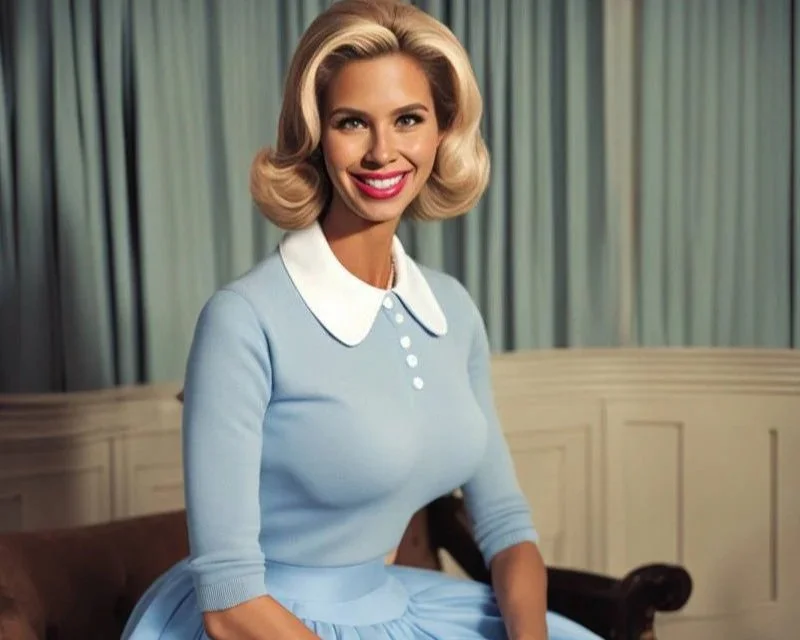
The Stepford Wives (1975): The Original AI Girlfriend Horror Story
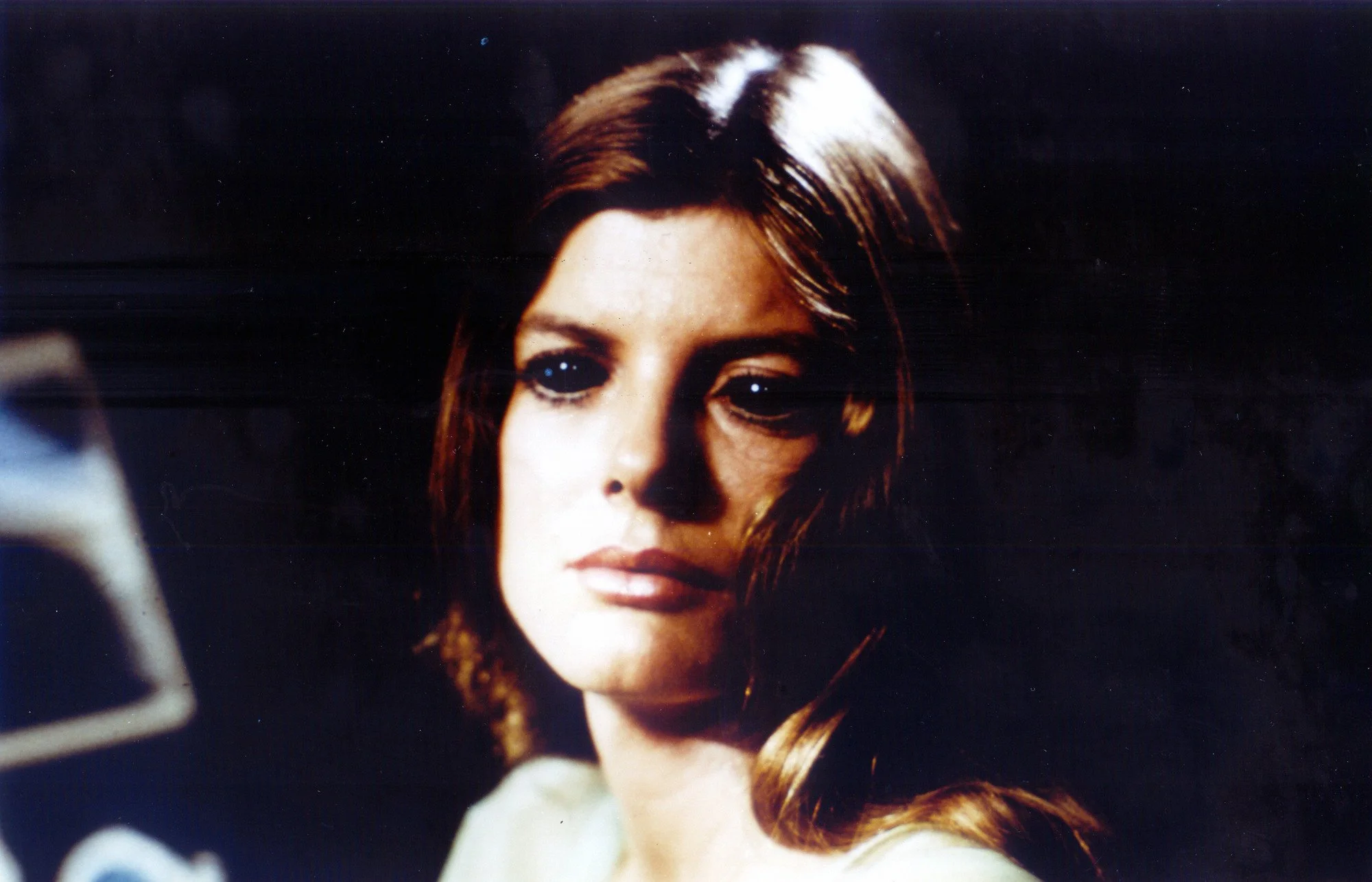
Before there were chatbots programmed to agree with you, before "AI girlfriend" apps promised a partner with no opinions of her own, there was Stepford, Connecticut. Alfred Hitchcock once said that horror is a joke taken dead seriously — and Bryan Forbes' 1975 adaptation of Ira Levin's novel is exactly that. It takes a joke every unhappy husband has made under his breath — I wish she'd just go along with it — and builds a town around the punchline.
That's why this movie still haunts me. Watch it now and it doesn't feel like a period piece about polyester and consciousness-raising groups. It feels like a preview. We are, right now, living through a quieter version of the same premise: the noncompliant woman being nudged out and replaced by a compliant one — a girlfriend app that never argues, a voice assistant that never pushes back, a beauty standard flattened by an algorithm until it agrees with itself. Stepford just did it with a bomb-fembot instead of a firmware update.
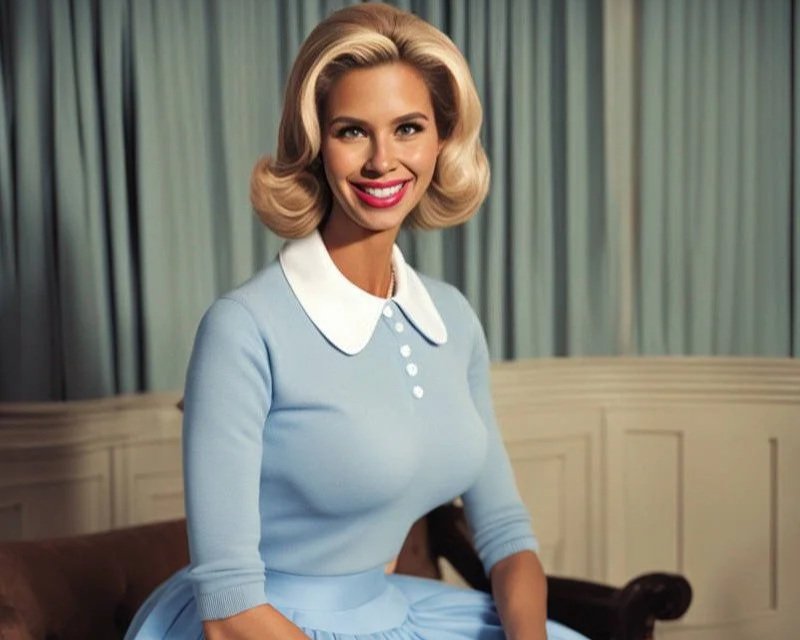
The Setup
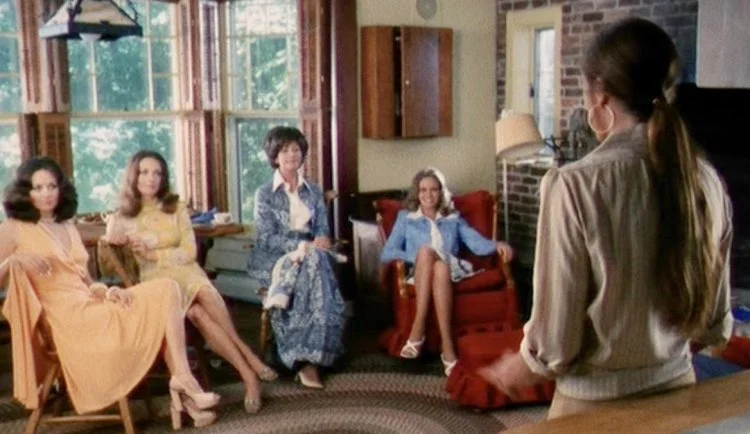
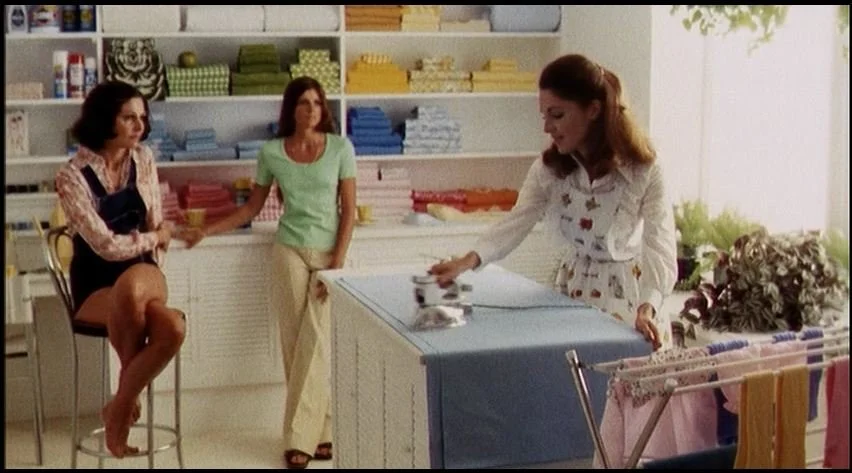
Joanna Eberhart (Katharine Ross) is a photographer and mother of two who moves with her husband from Manhattan to the impossibly tidy town of Stepford. The women there are uniformly gorgeous, endlessly cheerful, and obsessed with housework to a degree that plays like parody — until Joanna realizes it isn't parody at all. Her husband starts spending more and more evenings at the town's all-male "association." A friend short-circuits mid-sentence at a party, repeating the same trivial phrase like a skipping record. By the time Joanna understands what Stepford does to its women, it's nearly too late for her too.
What Holds Up
The film is often misremembered as camp, but its best stretches are patient and quietly dreadful rather than showy. Forbes lets the horror live in the gaps between what's said and what's shown — that's the whole trick of it. It's what's unsaid that's allowed to grow and fester: no one announces the plan, no one explains the association, and the silence is scarier than exposition would have been. The film needs you to notice that something as small as a compliment can be a threat.
Katharine Ross carries it. Her Joanna is smart, funny, and visibly suffocating in real time, and that performance sells the real premise — this isn't science fiction, it's a marriage going wrong in extremely literal terms. Contemporary critics have noted that this was the first American studio release to engage directly with the women's liberation movement, and that friction between comedy, thriller, and social commentary is exactly what gives it staying power.
It's also worth saying: Levin's novel goes further than the film dares to show. In the book, the replacement "wives" aren't just docile — they're rebuilt with exaggerated, idealized bodies, sexually compliant on top of domestically compliant. Happy, obedient, permanently available. The movie mostly implies this; the book spells it out. Either way, the design brief is the same — build a woman to a male specification, and call it an upgrade.
What Doesn't Hold Up
The politics are very much of their moment. The women of Stepford are affluent, white, and suburban, and the film's idea of liberation doesn't extend much past a consciousness-raising meeting in someone's living room — a limitation that reads as dated next to more intersectional conversations about gender and autonomy today. Reaction split sharply even in 1975: Betty Friedan reportedly dismissed the film as exploiting the women's movement for entertainment, while other feminist critics defended it as legitimate satire. (As for the 2004 remake — a glossy, gaslighting-lite comedy that missed the point entirely — the less said, the better.)
Why It's Still Relevant
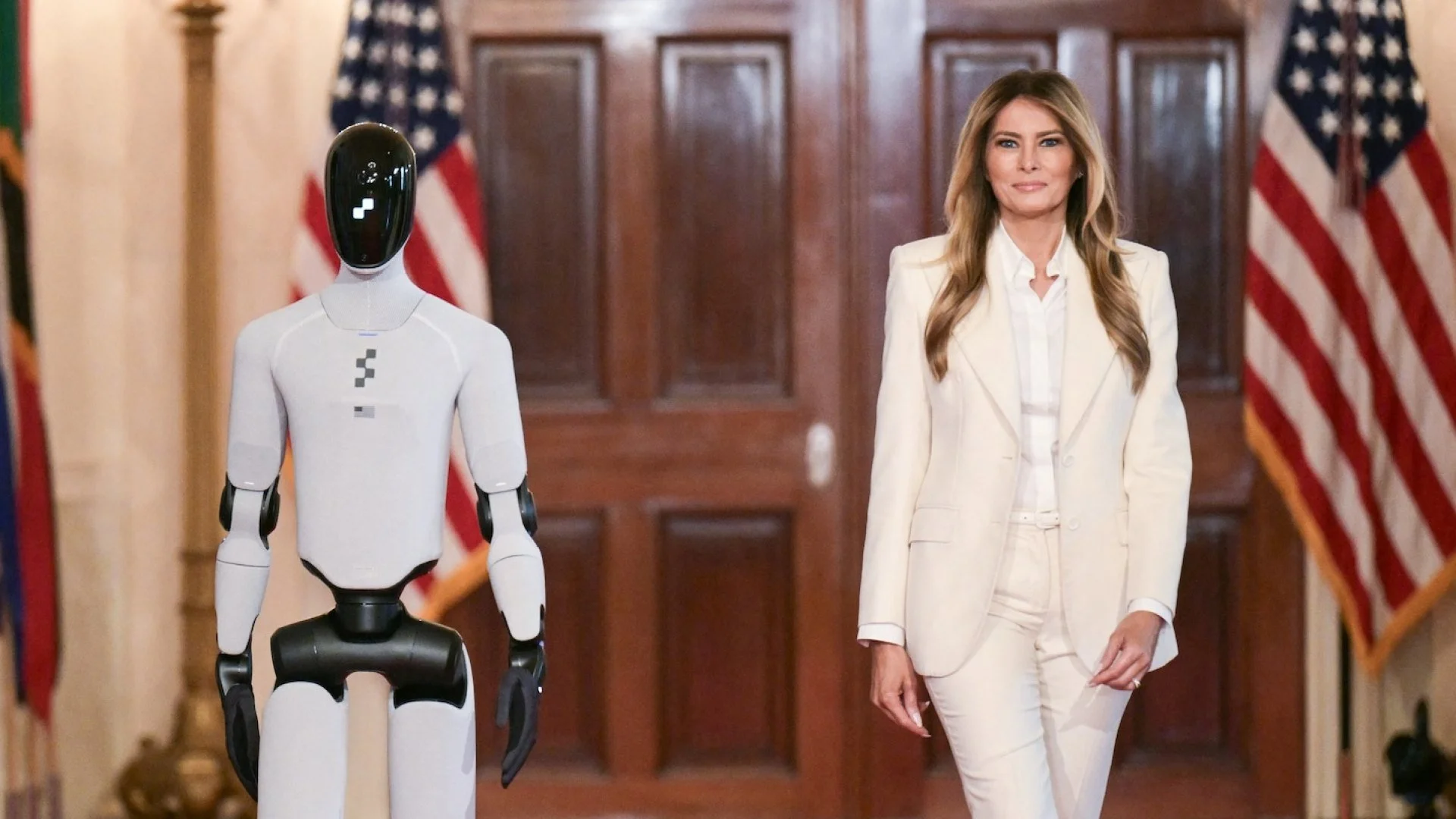

Here's the part that made me want to revisit this movie now: it's really about design choices made by men, for men, sold to women as an improvement. The Stepford wives aren't oppressed by brute force. They're "improved" — quieter, more agreeable, physically idealized in a way that flatters the person doing the looking rather than the person being looked at.
That pattern is a group behavior, not an individual one — misogyny, like most isms, moves through institutions and associations of men rather than lone villains, and Stepford's literal all-male club is the joke made structural. It's also not new. Women built bombers during World War II, then came home in the 1950s to a cultural and governmental push to trade the factory floor for the nursery. The 1970s women's movement pushed back against exactly that whiplash — which is the world Levin was writing directly into.
That decade had a chemical version of the same anxiety, too. By the late 1970s, growing alarm over Valium's habit-forming effects — withdrawal, cognitive fog, accidents — sparked what's remembered as the Valium panic. What made it distinct was who it was happening to: affluent, visible, middle-class women, amplified by congressional hearings and high-profile confessions like Betty Ford's. Feminist commentators seized on it, naming what Valium really was — "mother's little helper," a compliance aid in pill form. Stepford just swapped the pill for a circuit board. Different mechanism, same demand: calm down, stop arguing, be easier to live with.
You can draw a straight line from Stepford's fembots to every fictional robot built since to be agreeable and desirable rather than autonomous. And it's not a huge leap from there to now — to AI voice assistants overwhelmingly coded as female and deferential, to "AI girlfriend" products explicitly marketed on the promise of a partner who never disagrees, to algorithmically driven beauty standards that push a narrower version of what a woman is supposed to look like. Stepford's core joke — that the "ideal" woman is a compliant object built to a male specification — is a joke that keeps getting re-told by new technology every couple of decades. We just build the replacement faster now.
The Verdict
The Stepford Wives isn't a subtle movie, and it doesn't try to be. But its central image — a woman replaced by a more agreeable, better-looking version of herself, and nobody around her seeming to mind — has outlived the bell-bottoms and station wagons because the anxiety underneath it hasn't gone away. It's a product of 1970s feminism, with all the blind spots that implies, but it's asking a question that's aged better than the wardrobe: who gets to decide what a "good" woman looks like, and what do you lose by trying to become her or being replaced?
Which for free on Youtube Now!
Rating: 5/5
The Stepford Wives (1975)