

Relationships — Friendship, Love, Sex, and the Art of Choosing Well
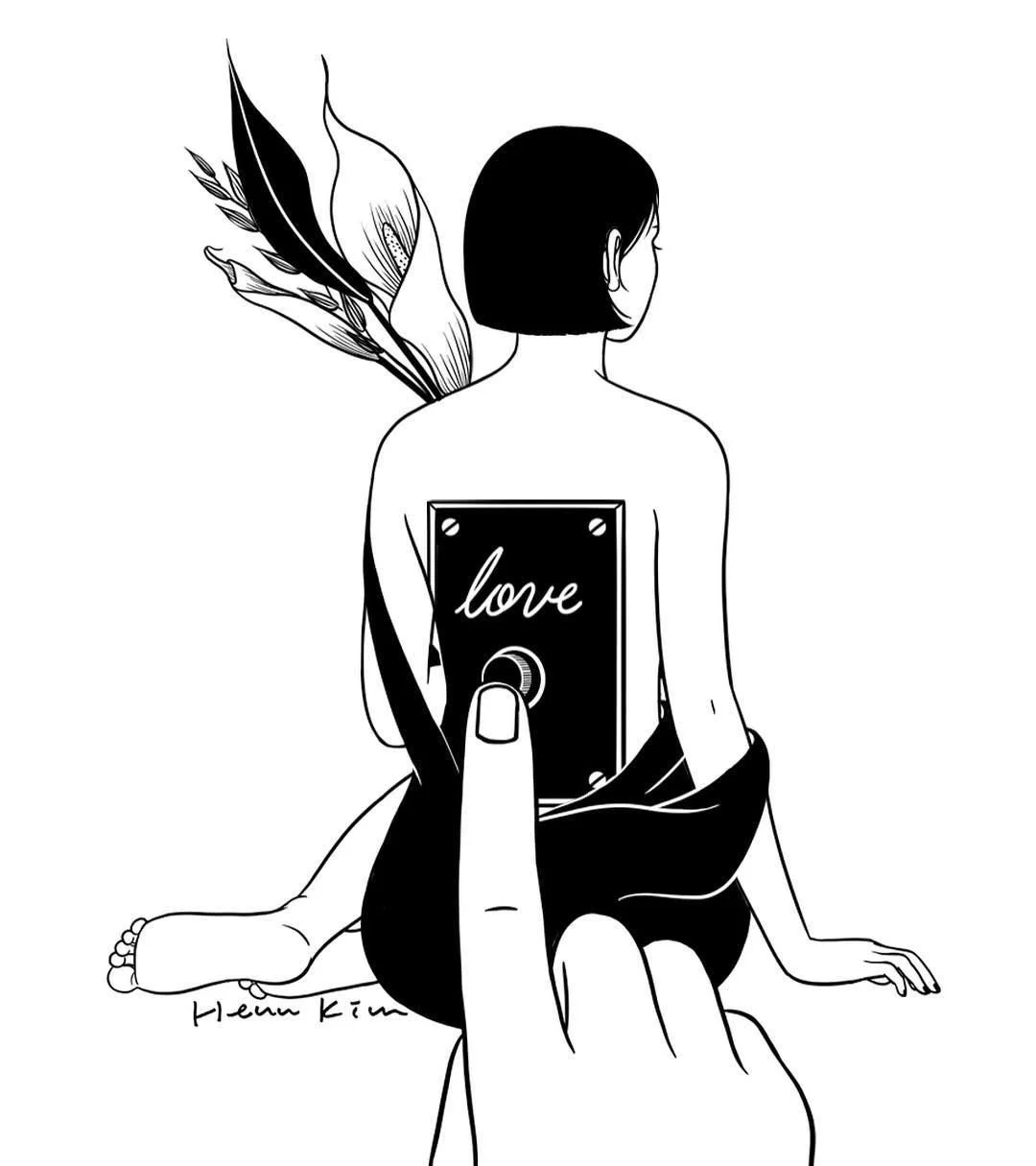
Relationships — Friendship, Love, Sex, and the Art of Choosing Well
Relationships shape the quality of our lives more than almost anything else. Who you spend time with, who you love, who you attach yourself to—these choices quietly determine your happiness, your stress, and even the trajectory of your future. And yet, most of us spend years studying for careers while receiving almost no education in emotional intelligence or relationship skills.
This section is about learning to choose—friends, lovers, and partners—with intention rather than habit, fear, or fantasy.
Friendship: Choose, Don’t Just Accept
“We accept the love we think we deserve”.
— Stephen Chbosky, The Perks of Being a Wallflower
My father once told me, “Pick your friends the way you pick your fruit.” Don’t wait to be chosen. Choose deliberately. Look for people who share your values, not just your habits.
If someone drinks too much, has a volatile temper, is chronically judgmental, or doesn’t support your growth, it’s painful—but possible—to step away. Think like someone riding streetcars: people get on and off all the time. Not every relationship is meant to be permanent.
Pay attention to red flags early. When you see them, don’t romanticize them. Don’t negotiate with them. Walk away—and if necessary, run.
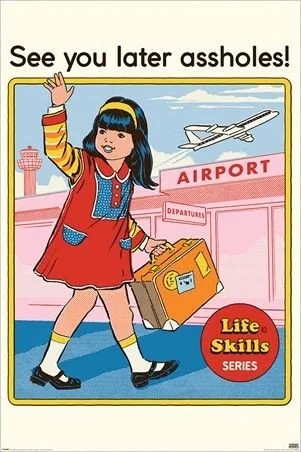
Books like How to Win Friends and Influence
True friendships endure because they remind us of simple truths: be genuinely interested in others, listen more than you talk, avoid unnecessary criticism, and treat people with dignity. These are not manipulation tactics; they are foundations for mutual respect.
Friendship is not about collecting people. It’s about cultivating relationships that make you more grounded, not more anxious.
LOVE
Love Is One of the Biggest Decisions You Will Ever Make
Who you fall in love with matters—deeply. Choosing a long-term partner without shared values, compatible goals, or aligned lifestyles sets a relationship up for strain. Love alone is not enough. Fear of being alone can pull people into relationships that don’t truly fit. But loneliness is temporary; an incompatible partnership can last years.
In the book Pride and Prejudice, Jane Austen understood this better than most. In her world, marriage was a legal and economic contract with lifelong consequences. Her insight still holds: marry—or commit to—someone flashy but irresponsible, and life becomes difficult. Choose someone solely for money, and you may find yourself deeply unhappy.
The good news is that love and stability are not mutually exclusive. You don’t have to choose between romance and practicality.
There is a middle way—someone kind, emotionally mature, financially responsible, and still passionate about life.
Dating, Exploration, and Choice
If you’re young and single, you don’t have to rush into lifelong commitment. It’s okay to explore—honestly and ethically. Communicate clearly. Let people know where you are emotionally.
Sex does not equal destiny. One intimate experience does not mean you owe someone your future.

Especially for women:
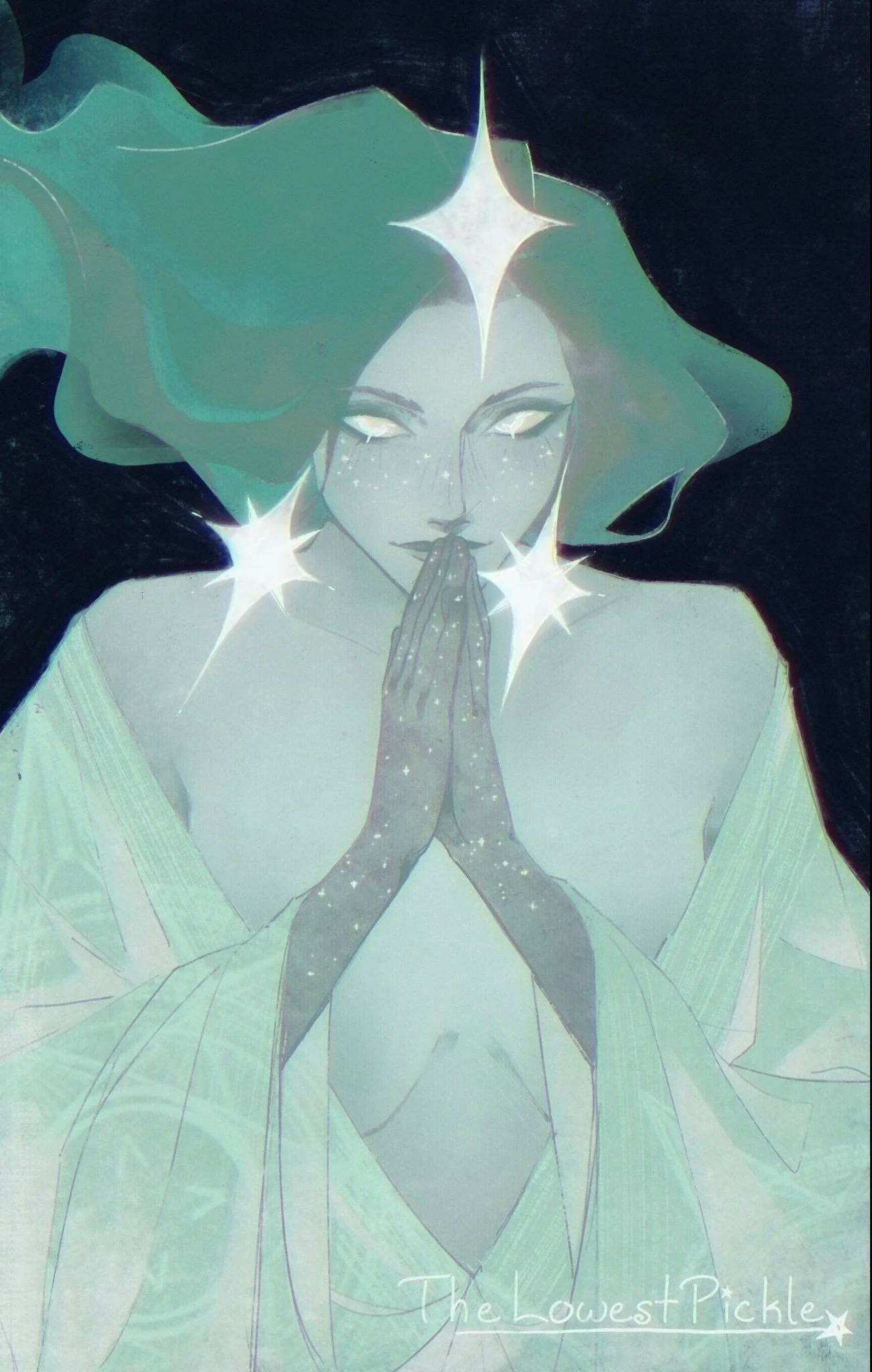
You are not passive in this process. You are not meant to be “hunted.” You have agency—over who you date, when you attach, and how deeply. Attraction does not remove your power; awareness restores it.
Choosing a Partner: What Actually Matters
Ladies, you have a biological clock, if you want your own bio kids. You have to figure things out before and around the age 35. Because after that it becomes harder to have your own kids. Your clock is ticking! Time spent on bad relationships or unaligned goals will prevent you from having healthy family life. If that what you want, so thinking clearly. No pressure, but you have to be real with yourself. The guy might stick around because he enjoys the sex but you need to figure out what he envisions for the the future. Does that align with what you want and need? What is his family like?
Attraction starts relationships. Character sustains them.
Look for:
Shared core values (money, family, purpose)
Emotional intelligence and stability
Kindness and respect
Healthy communication, especially during conflict
A growth mindset
A foundation of friendship
Observe how someone handles stress, boundaries, and responsibility. Notice whether you feel safe being yourself. Chemistry is easy. Trust is built.
Before choosing someone else, know yourself. Identify your non-negotiables. Watch people across many situations—not just ideal ones.
---
The Gut, the Heart, and Sexual Attachment
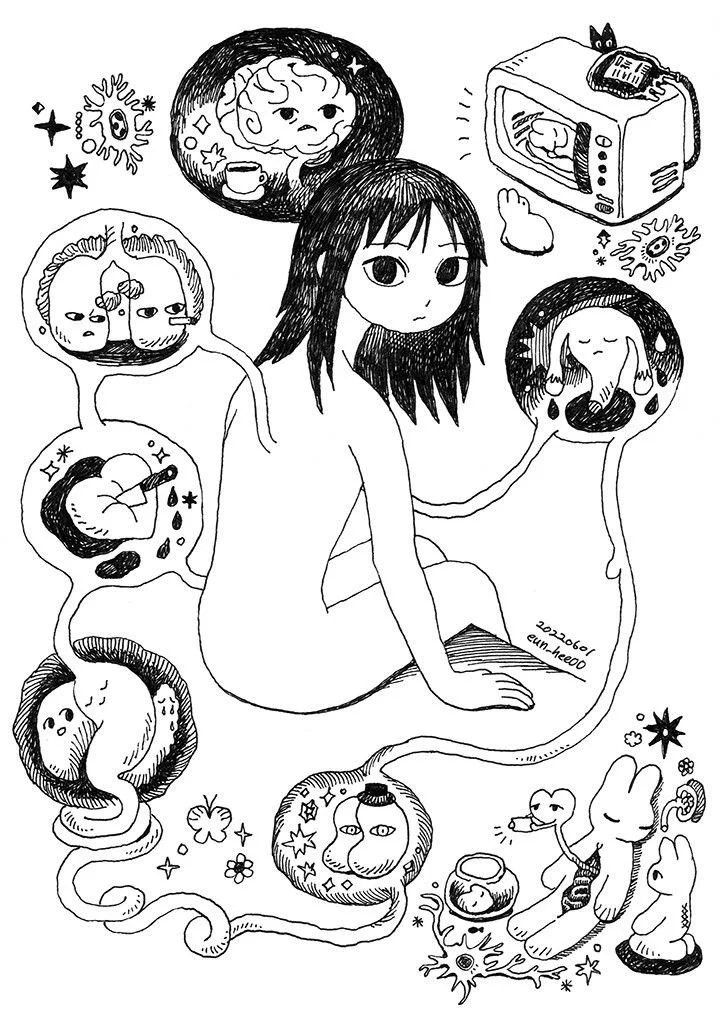
Your body plays a role in attachment. The gut-brain connection—the enteric nervous system—shows that emotions, stress, and attraction are not just “in your head.” Desire can linger even when logic says a relationship that isn’t good for you.
This doesn’t mean you’re weak. It means you’re human.
Understanding this mind–body link helps you stay in control. You can feel attachment without surrendering decision-making. Awareness gives you a choice.
---
Broken Hearts and Healing
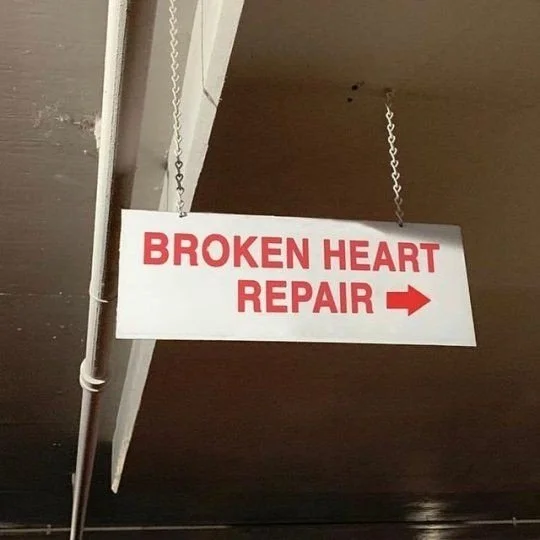
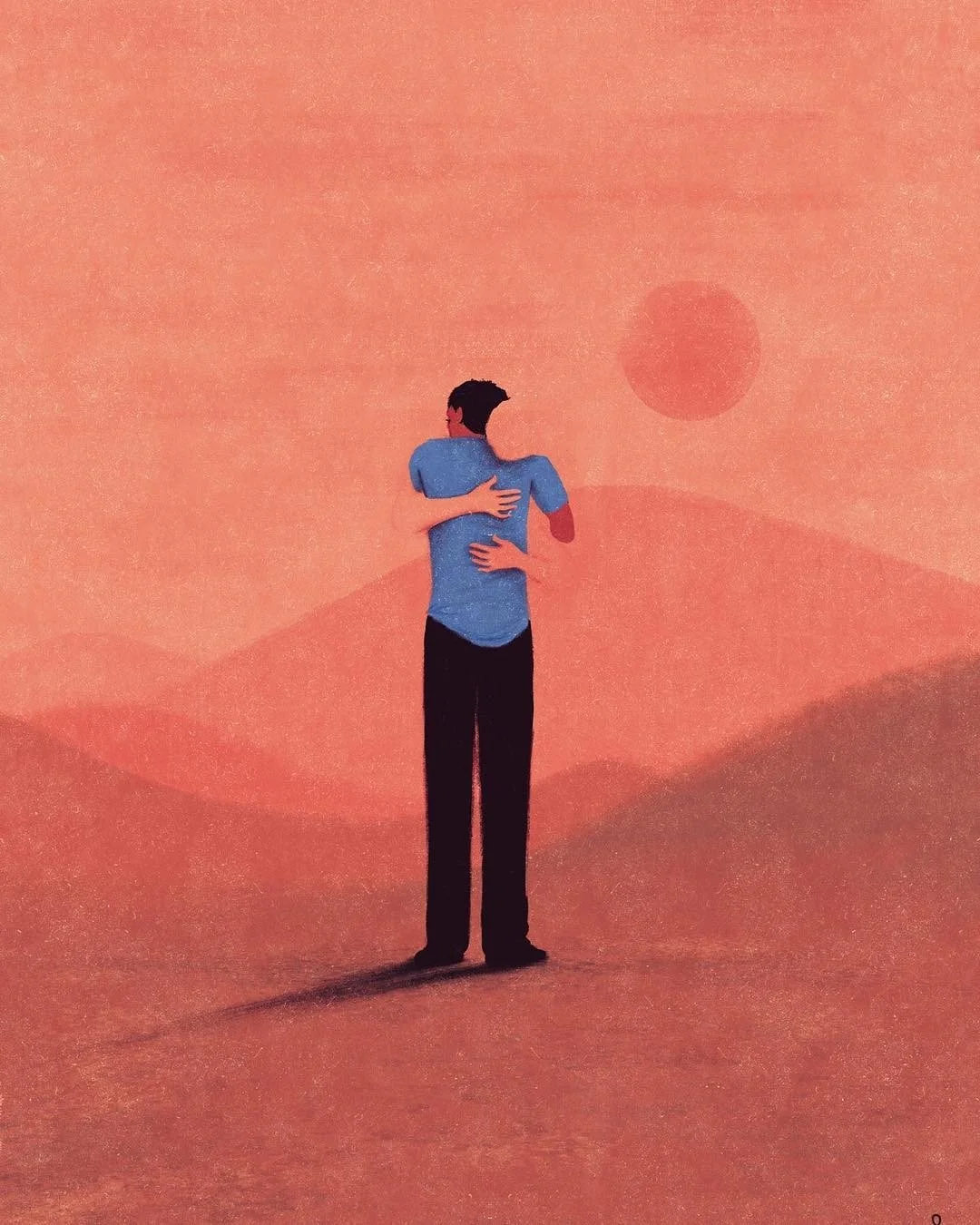
Heartbreak can be devastating. Grief doesn’t follow a schedule—it can last days, months, even years. You will survive it, but not by rushing yourself.
Healing requires time, movement, and connection. Stay engaged with life. Lean on friends. Try different modalities such journaling, therapy, meditation, exercise, dancing, walking, creativity. Let yourself feel—and then slowly rebuild. Letting go is not failure. It’s part of learning how to love.
Don’t Let Feelings Drive the Whole Bus
Emotions are important—but they are not always accurate guides. Desire can be loud. Attachment can feel urgent. But feelings alone don’t determine whether a relationship is healthy.
Use your intellect. Ask yourself:
Does this person make me feel safe?
Do they respect my independence?
Can we grow together without control or fear?
I know all this seams like common sense but when I was in high or jr high school it was not at all. It took years the hard way to make progress on these ideas. Its a practice.
Love should expand your life, not shrink it.
Flexibility matters, so does reflection. Meditate. Think deeply. Be honest with yourself. Just because something feels good doesn’t mean it’s good for you—just like eating an entire pizza might feel satisfying in the moment, but not in the long run.
---
Final Thought on Relationships

Relationships are not about possession. They are about partnership. Simone de Beauvoir, in her book the second sex, has a chapter called The Woman in Love. She proposes that love cannot coexist with oppression, and to truly love another in a relationship, there must be mutual freedom.
Choose people who treat you well, support your growth, and allow you to remain fully yourself.
Love is not about intensity alone—it’s about safety, kindness, and mutual freedom. And remember: learning how to love well is a process. Be patient with yourself as you learn.
the second sex simone de beauvoir audiobook full book https://www.audible.com/pd/The-Second-Sex-Audiobook/059314726X
Are You Romantic or Classical? https://youtu.be/5QmJofRAB9M?si=Q3GOVJvWhjpZholQ
How To Win Friends And INFLUENCE People –Dale Carnegie [COMPLETE summary] https://youtu.be/8SUiLkl42FQ?si=ChAhV-B2NJ5UipeS
How To Win Friends And Influence People By Dale Carnegie (Audiobook) https://youtu.be/d9zUVFzPtJ4?si=rpvZ6DleGJJOYGdW
LITERATURE - Jane Austen https://youtu.be/LIYiThAyY8s?si=MKb4zxDYx8OOYZ-F