

Break Free From Your Internet Addiction

Internet Addiction in an Always-Online Society

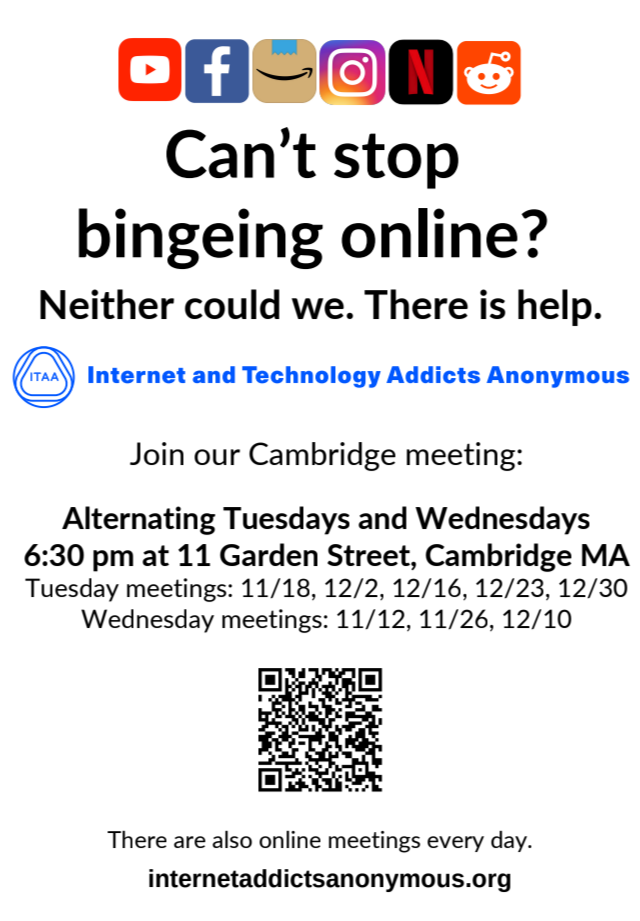
In Boston, the Internet & Technology Addicts Anonymous (ITAA) holds both in-person and online meetings for individuals who identify their internet use as compulsive and harmful. Modeled after traditional 12-step programs, ITAA treats excessive and uncontrolled engagement with digital technology as a behavioral addiction—one that differs in significant ways from substance dependence because abstinence is largely impossible.
Unlike alcohol or drugs, internet use is increasingly required for participation in modern life. Employment, education, healthcare, banking, and government services all rely on digital platforms. As a result, individuals cannot simply disengage from the internet without facing social or economic exclusion. This structural dependence complicates both recognition of the problem and efforts at recovery.
Prevalence and Normalization
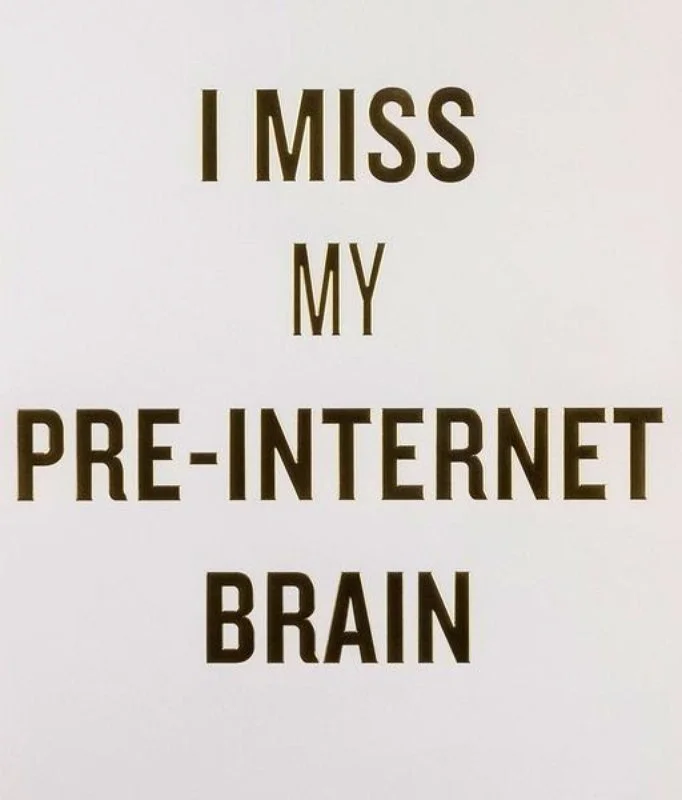
Studies consistently show that adults spend several hours per day online, with younger populations often exceeding that amount. Screen time frequently surpasses time spent sleeping or engaging in in-person social interaction. Despite this, excessive internet use is rarely framed as addiction. Because such behavior is widespread, it is generally considered normal rather than pathological.
Behavioral addiction specialists note that prevalence should not be confused with harmlessness. Compulsive use, difficulty reducing time online, anxiety when disconnected, and continued use despite negative consequences are commonly reported experiences. These features align closely with established diagnostic criteria for addiction, even if the behavior is socially sanctioned.
Effects on the Brain and Behavior
Neuroscientific research indicates that digital platforms activate reward pathways associated with dopamine release, particularly through variable reinforcement mechanisms such as notifications, algorithmic feeds, and infinite scrolling. Over time, repeated exposure to these stimuli can alter attention regulation, impulse control, and emotional responsiveness.
Reported consequences include reduced attention span, impaired concentration, sleep disruption, increased anxiety, and depressive symptoms. Because internet use is often intertwined with work and productivity, these effects may go unnoticed or be attributed to external stress rather than to the medium itself.
A Comparison to Dietary Sugar
Clinicians and recovery groups frequently compare internet addiction to sugar consumption. Sugar is not optional—people must eat—but it is embedded in many foods in ways that make moderation difficult. Similarly, internet access is essential, yet it is designed to maximize engagement. Avoidance requires constant vigilance rather than simple abstinence.
This analogy underscores a key challenge: recovery from internet addiction does not involve quitting entirely, but learning controlled, intentional use in an environment engineered to undermine restraint.
Treatment and Recovery
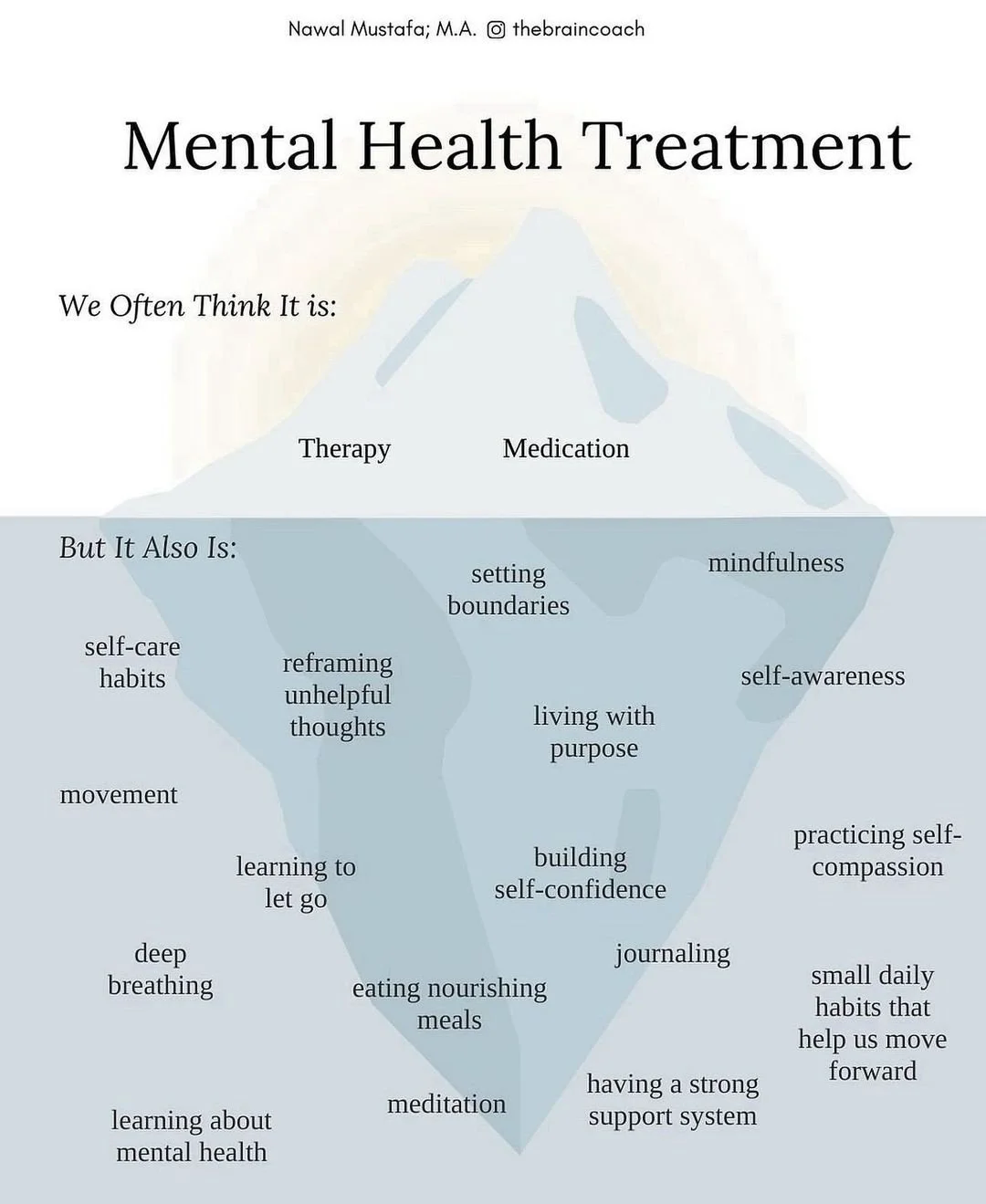
Organizations such as ITAA focus on harm reduction rather than elimination. Participants work to establish boundaries, reduce compulsive behaviors, and regain control over their attention and time. Strategies include limiting platform use, restructuring daily routines, and addressing underlying psychological factors such as anxiety, loneliness, or avoidance.
The existence of such organizations highlights a growing recognition that excessive internet use can cause genuine harm, even when it appears functional or productive.
Community-Based Solutions and Emerging Hope
Alongside ITAA, other recovery-oriented groups—such as Media Addiction Anonymous—have begun to form, reflecting a broader cultural acknowledgment that constant connectivity may be unsustainable. These communities offer a notably hopeful counterpoint to the otherwise bleak picture of digital dependency. Participants frequently describe the groups not as alarmist or anti-technology, but as thoughtful, pragmatic, and deeply humane. Members share concrete strategies for minimizing online time while remaining engaged in work and social life, emphasizing balance rather than withdrawal.

One solution discussed within these communities is the use of minimalist technologies, such as the Light Phone—a device designed to function without social media, email, or addictive apps. It provides only essential tools like calling, texting, and navigation. While not a universal solution, the Light Phone represents one of many small, realistic interventions that demonstrate how technology itself can be redesigned to support healthier habits rather than undermine them. Such tools introduce the possibility that intentional design, rather than sheer willpower, can play a role in recovery.
Perhaps most importantly, these groups highlight the power of community in shaping behavior. Just as social media normalizes certain patterns of thought and attention through constant exposure and social reinforcement, recovery communities operate through a similar mechanism—but toward positive ends. Being embedded in a group that values presence, moderation, and intentional living creates social pressure that reinforces healthier choices. In this sense, recovery communities mirror the forces that contribute to addiction, redirecting them toward care, accountability, and hope.
An Invisible Public Health Issue
Some clinicians argue that the vast majority of the population falls somewhere on a spectrum of problematic internet use. Whether or not that figure approaches universality, the central issue remains: digital dependency is embedded in the structure of contemporary life, making it difficult to identify, discuss, or address.
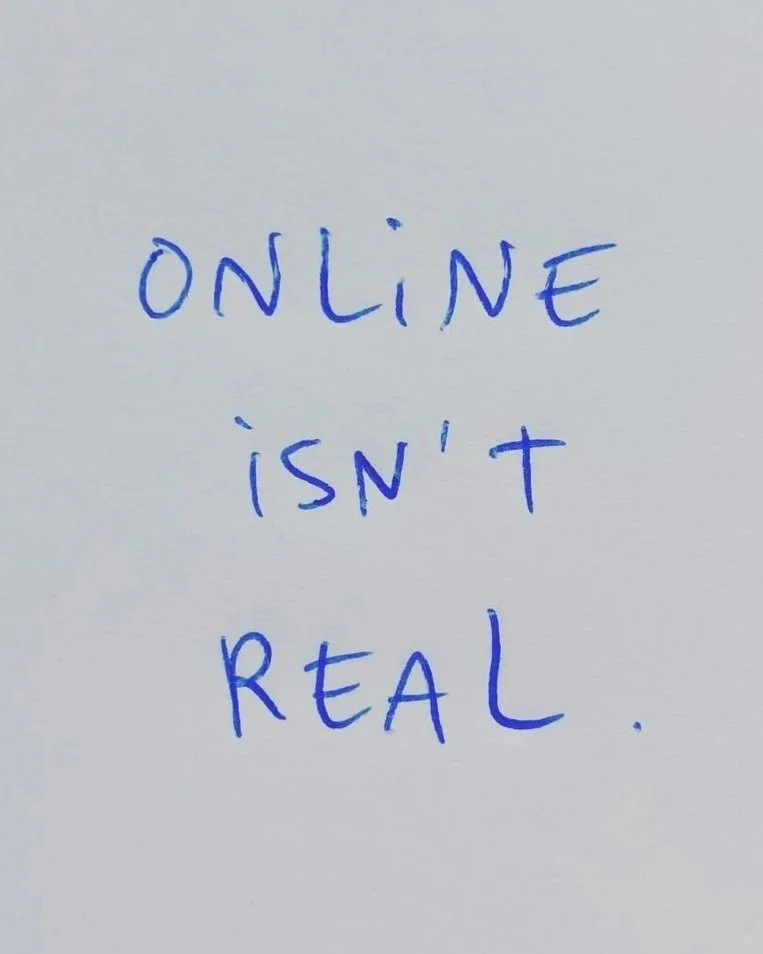
As long as constant connectivity is treated as a requirement rather than a risk factor, internet addiction is likely to remain an underrecognized public health concern—one that operates not on the margins of society, but at its center. There are lot of lawsuits against these big tech companies for making kids crazy Social Media Victims Law Center - Social Media Litigation Lawyers https://share.google/C1GqRrSnTyj4M14Lo
WATCHING THE WHEELS. (Ultimate Mix, 2020) - John Lennon (official music video HD)
https://youtu.be/uVXR2LYeFBI?si=lqVSiVMEUWt-bmW3
The Compulsive Use of All Media
Internet and Technology Addicts Anonymous https://internetaddictsanonymous.org/
There are lot of lawsuits against these big tech companies for making kids crazy Social Media Victims Law Center - Social Media Litigation Lawyers https://share.google/C1GqRrSnTyj4M14Lo
That's also non-profits for protecting children and documentaries have been checking out.
Nonprofit Boston :
Blog - Fairplay https://share.google/7rhiQQwRfXkBGftPE
Documentary: