

What the 1960s Can Still Teach Us
What the 1960s Can Still Teach Us
Last spring, I had a conversation with my grandfather at a family barbecue. I spotted a faded tie-dye shirt in his closet and asked, "Is that for Halloween?" He stared at me for a full five seconds. "That," he said, "was a protest." I asked what it was protesting. He opened his mouth, closed it, and reached for another hot dog. "Honestly? Mostly the shirt store."
I grew up in the 80s, when PBS documentaries kept the 1960s on television. Those shows gave me the context for why a whole generation believed in the public interest. Younger people who grew up online often never got that backdrop, and I realized it recently when a young person asked me what a worker cooperative is. I had no short answer ready, and that bothered me.
You could spend a year studying the 60s, but a few basic concepts are worth every young person's time. Here is what they meant then and why they still matter.
Why the 60s Rebelled the Way They Did
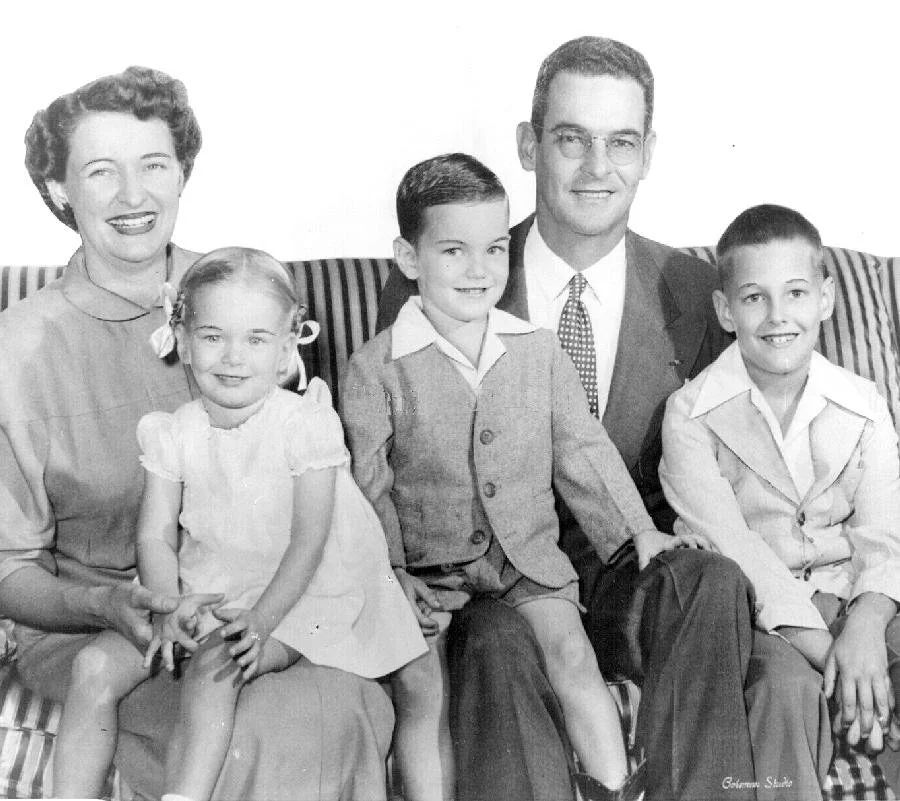
One reason that era's rebellion was so visible is that the culture was a monoculture. When television had only a handful of channels, everyone received roughly the same message, and it was easy to rebel against it collectively. If the establishment said go left, young people went right. Today our culture is fractured, and people can hold very different belief systems without ever overlapping. Rebellion looks different when there is no single thing to rebel against.
The 1960s also saw more positive social change between 1960 and 1970 than almost any other decade in modern history. Progress slowed in the 80s and 90s, and by the 2010s many people felt it was reversing. Understanding how change was made then helps explain what we may be missing now.
Long Hair: Rebellion You Could Wear
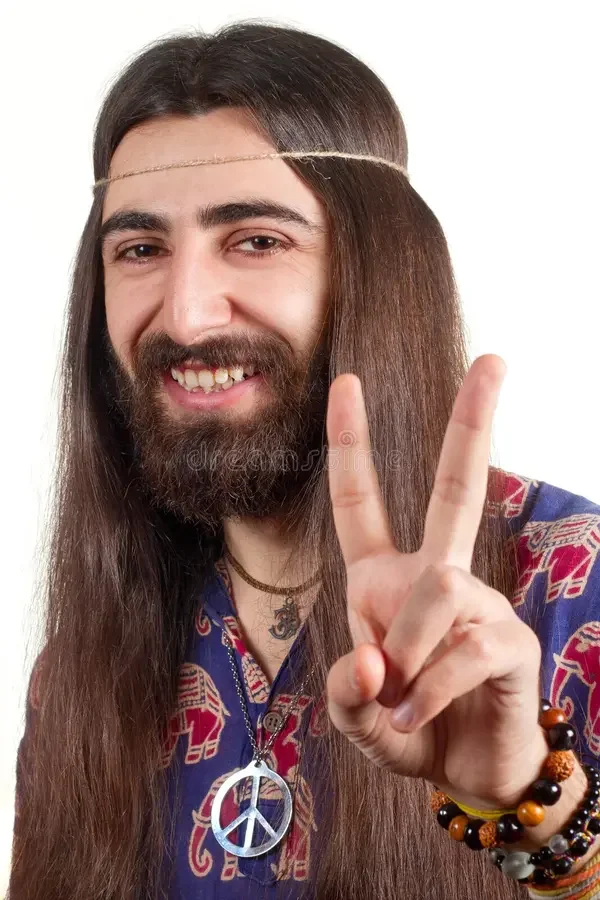
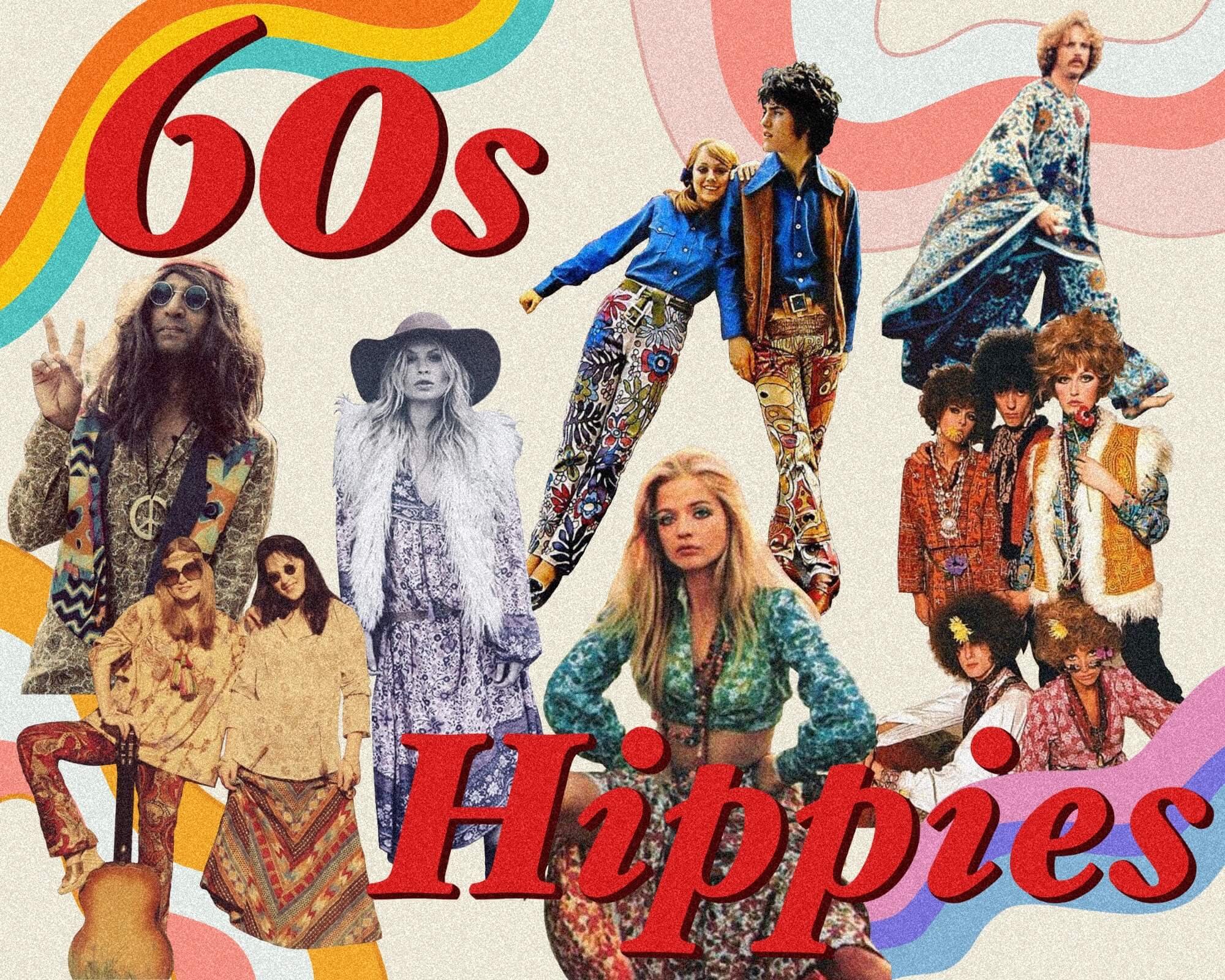
When people picture the 60s, they picture long hair. Cultural norms were rigid at the time. Men wore short, military-style cuts, and women wore longer, styled hair. Everyone followed these gendered rules.
For men, growing out your hair was a statement. A buzz cut signaled alignment with the military establishment, and long hair signaled that you rejected both gender norms and the war machine. This was during the Vietnam War, which many Americans saw as a catastrophic and unjustifiable conflict, one that killed enormous numbers of civilians in a poor country. There was a draft, so if you were male and your number came up, you went whether you believed in the war or not. Letting your hair grow was a daily, visible refusal to play along.
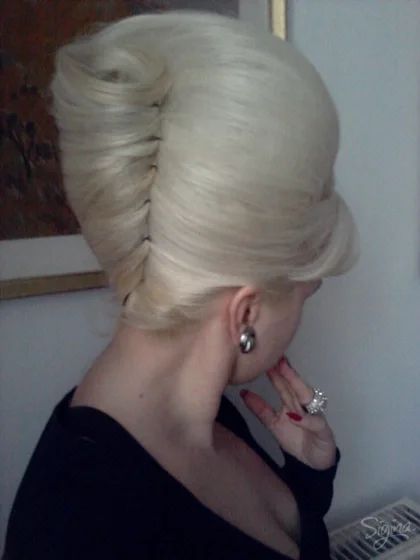
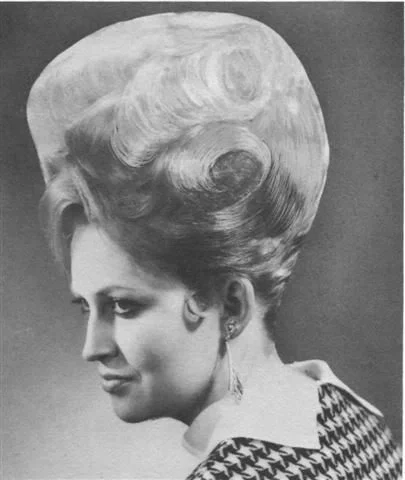
It was also a rebellion against consumerism. American advertising had long told people they needed a particular shampoo, soap, or shirt to be cool or to fit in, and it preyed on the insecurities of the young. The early 60s were also the heyday of hairspray and the towering beehive. Many women visited the salon once a month to have their hair dyed, processed, and sprayed into a sculpture they would wear for weeks without washing. In the late 60s, many people said they didn't want all that junk in their hair, and they let it grow out naturally. Natural hair became a statement against corporate beauty standards.
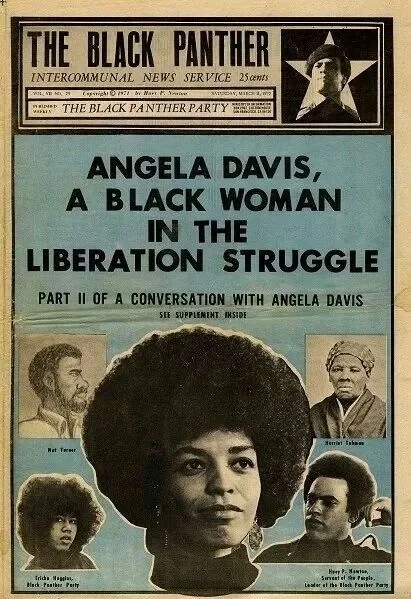
The Afro and Angela Davis
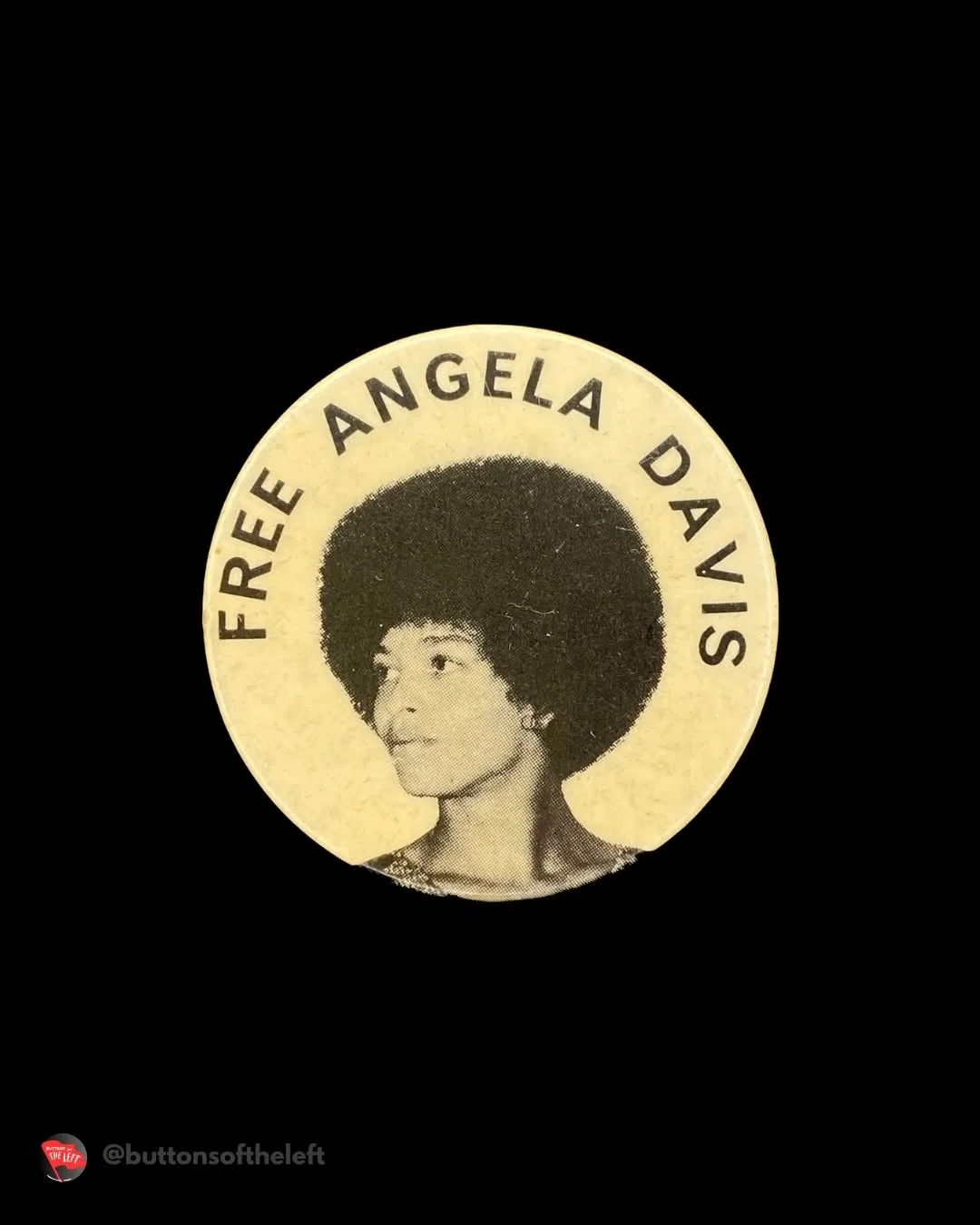
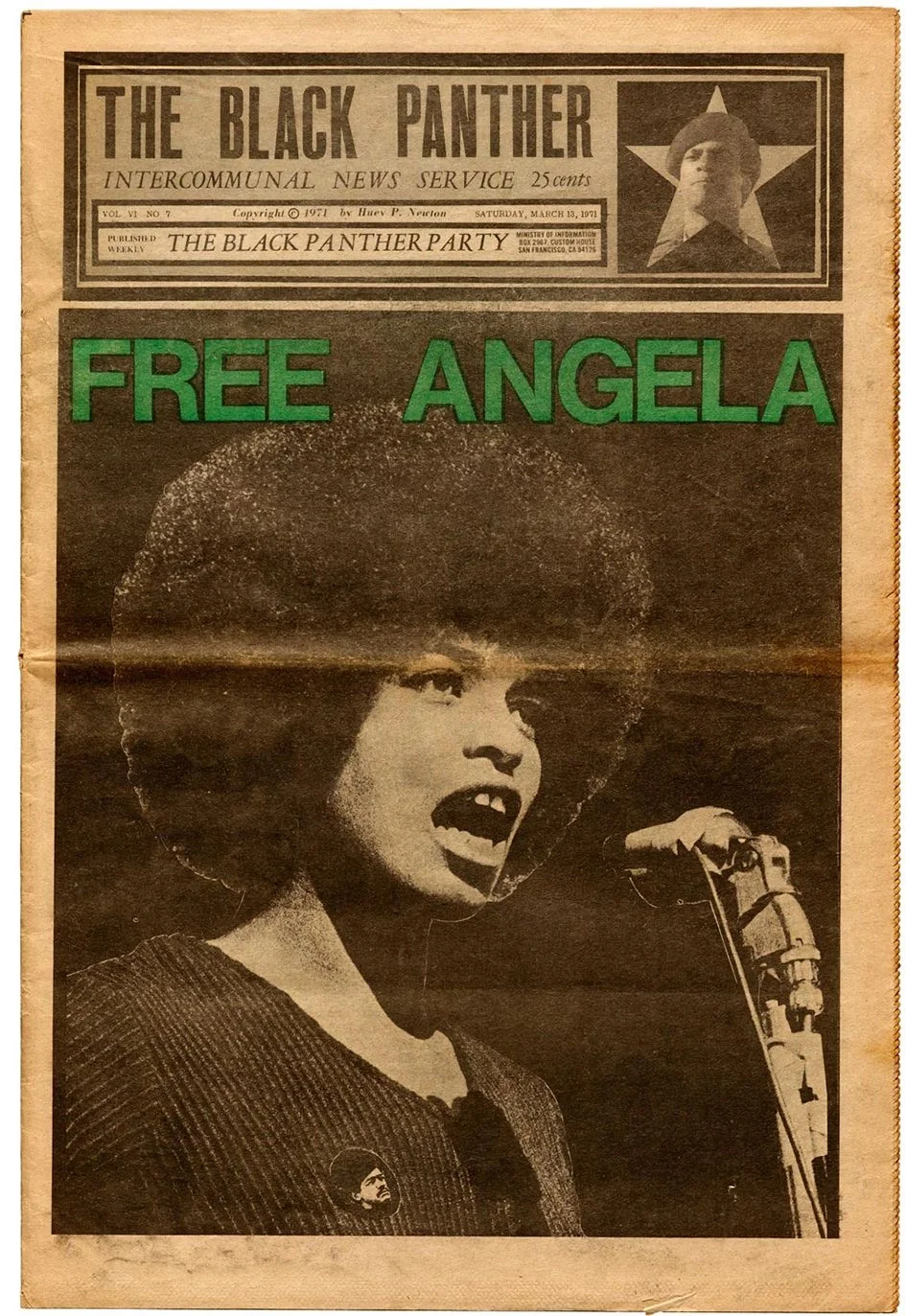
Hair was also a battleground for Black Americans. For generations, advertising had pushed products to straighten Black hair and make it conform to European standards of beauty. The "Black is Beautiful" movement rejected that idea outright.
Angela Davis became one of its most recognizable faces. A professor and activist, she was charged in 1970 in connection with a deadly courthouse shootout in California. She spent months in jail and was acquitted by a jury in 1972. Her Afro, worn proudly and picked out in full, became an iconic image. Many people, from everyday supporters to celebrities like the Jackson 5, wore Afros as a sign of pride and solidarity. By the late 60s it was one of the defining looks of the era, and it was a political statement every time someone walked out the door.
Tie-Dye: Making Your Own Culture
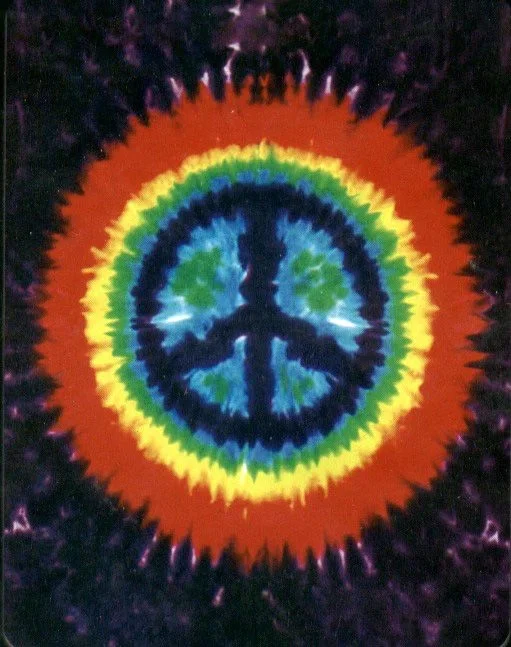
Tie-dye is the other image everyone associates with the decade, and it made the same point about corporations. People wanted to step away from mass-manufactured goods and make things themselves, so they dyed homemade T-shirts. The swirling patterns were psychedelic, and they were designed to look good at concerts, where people experimenting with LSD could get lost in the spirals. The patterns also nodded to Eastern traditions. Mandalas, circular symbolic designs, originate in Indian religions and are central to Hinduism and Buddhism, and many in the counterculture were exploring those spiritual traditions.
The Draft: Why It Mattered So Much
It's hard to overstate how much the draft shaped the era. Imagine the government calling your number and sending you, at eighteen, to fight a war in a country you knew little about, against people you had no quarrel with. Nobody wanted to go, and resentment ran deep, which turned into protest, and the country became bitterly divided. The draft was eventually ended, and the U.S. moved to an all-volunteer military in 1973.
This matters today. When people ask why young people lean left, one partial answer is that few people want to be forced to kill strangers because the government says so. If you faced the draft yourself, you might start asking questions too.
Communes: Opting Out and Building Something New
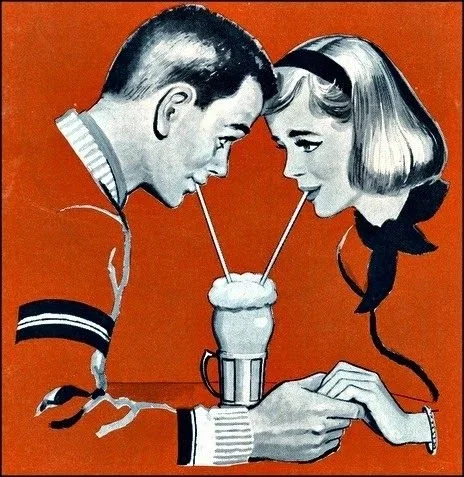
Those who grew up in the 40s and 50s were raised in the nuclear family: mom, dad, and the kids in a suburban house, often described as sterile and conformist. In the 60s, many people wanted something more communal, closer to living in a tribe. They moved in with friends, shared chores and meals, and sometimes shared resources.
Some communes thrived and many are still running today. Others had their heyday and fizzled out. What's interesting is the philosophy. Some people in the 60s tried to change the system from the inside by working within the government to solve social problems. Others said forget it, and moved to the country to farm, live organically, and build a simple, good life. It's a practical idea, and in spirit it echoes the ancient Epicurean tradition of withdrawing into a community of friends to pursue a modest, contented life. They still exist today in Massachusetts and all over the world. Some call them cohousing (like in Cambridge), others are called ecovillages—with varying degrees of opting in and out.
What Is a Worker Cooperative?
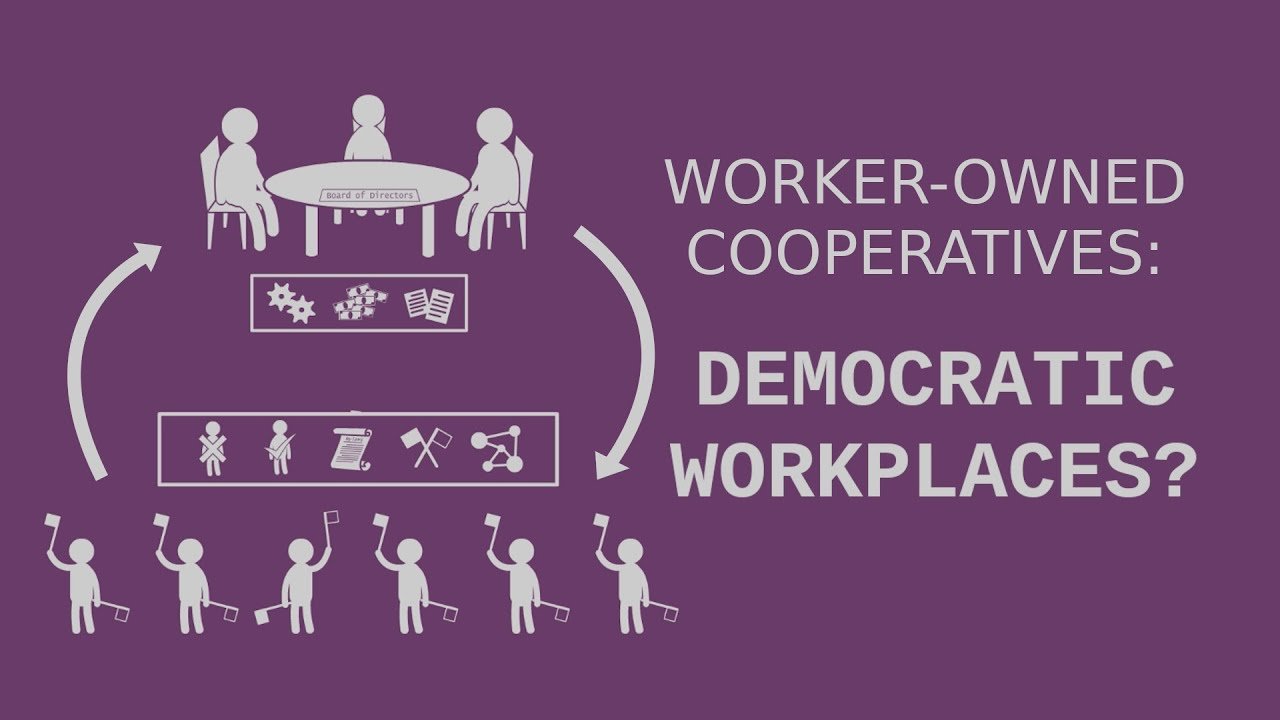
This was the question that started this article. A worker cooperative is a business owned, controlled, and democratically managed by the people who work there. Unlike a traditional company owned by outside investors or a single boss, a worker co-op operates on democratic principles to serve its employees and community.
A few key characteristics define them:
Democratic control: Decisions follow "one worker, one vote." Every employee-owner has an equal say in major policies and helps elect the board of directors.
Shared profits: Profits, often distributed as patronage dividends, go back to workers based on their labor contribution, such as hours worked, rather than on how much stock they hold.
No outside ownership: The business belongs to the active workforce. When a worker leaves, they typically sell their share back to the co-op or to a new worker.
The difference from a traditional business comes down to goals. A conventional company aims to maximize profit for outside shareholders, while a worker co-op aims for stable jobs, fair pay, and safe working conditions. Management structures can still exist for day-to-day efficiency, but managers answer to a board elected by all employees.
Worker co-ops became fashionable in the 60s and 70s, and the idea started to fade from public view in the decades after. They still exist, but they aren’t as empowered as they were in the 60s. I think they deserve a comeback.
Solutions, Not Just Slogans
Here is what I find most striking when I compare the eras. The rebellion of the 60s was full of solution-oriented projects: co-ops, communes, anti-corporate fashion, alternative economic communities, and a peace movement with a clear goal of ending the war and the draft. People didn't only name what was wrong. They built alternatives.
Today, many people have lost faith in institutions, schools, and governments, which is understandable. But it's easy to get stuck cataloguing catastrophes without proposing anything concrete. It's hard, but try to remind yourself to move from naming problems to imagining solutions.
Closing the Culture Gap
So talk to your parents, grandparents, and elders, and ask for their perspective. Don't rely on online platforms to tell you what your culture is. Closing the divide between generations is one of the most useful things we can do, because our shared culture doesn't belong to corporations, billionaires, or the government. It belongs to the collective experience of we the people.
Further Learning
There are a myriad of events that took place in the 60s that can give you a useful lens to view and question authority in the way that the left is now not being told. Things to look up about the 1960s that were not mentioned Kent State Black Panthers Woodstock Kennedy assassination Martin Luther King assassination Robert Kennedy assassination.
Sources
Directories - Foundation for Intentional Community
ecovillages around the world https://ecovillage.org/
cohousing communities across the United States https://cohousingalliance.org/communities/cornerstone-village-cohousing/
Angela Y. Davis, Angela Davis: An Autobiography (Random House, 1974)
Maxine Leeds Craig, Ain't I a Beauty Queen? Black Women, Beauty, and the Politics of Race (Oxford University Press, 2002)
Ingrid Banks, Hair Matters: Beauty, Power, and Black Women's Consciousness (NYU Press, 2000)
Todd Gitlin, The Sixties: Years of Hope, Days of Rage (Bantam, 1987)
Christian G. Appy, Working-Class War: American Combat Soldiers and Vietnam (University of North Carolina Press, 1993)
Tom Wells, The War Within: America's Battle over Vietnam (University of California Press, 1994)
Timothy Miller, The 60s Communes: Hippies and Beyond (Syracuse University Press, 1999)
Rosabeth Moss Kanter, Commitment and Community: Communes and Utopias in Sociological Perspective (Harvard University Press, 1972)
William Foote Whyte and Kathleen King Whyte, Making Mondragon (ILR Press, 1988)
Jessica Gordon Nembhard, Collective Courage: A History of African American Cooperative Economic Thought and Practice (Penn State University Press, 2014)
U.S. Federation of Worker Cooperatives, "What Is a Worker Co-op?" (usworker.coop)
Selective Service System, "History and Records: Vietnam Lotteries" (sss.gov)https://ecovillage.org/