

Economic Stockholm syndrome or Cultural Hegemony

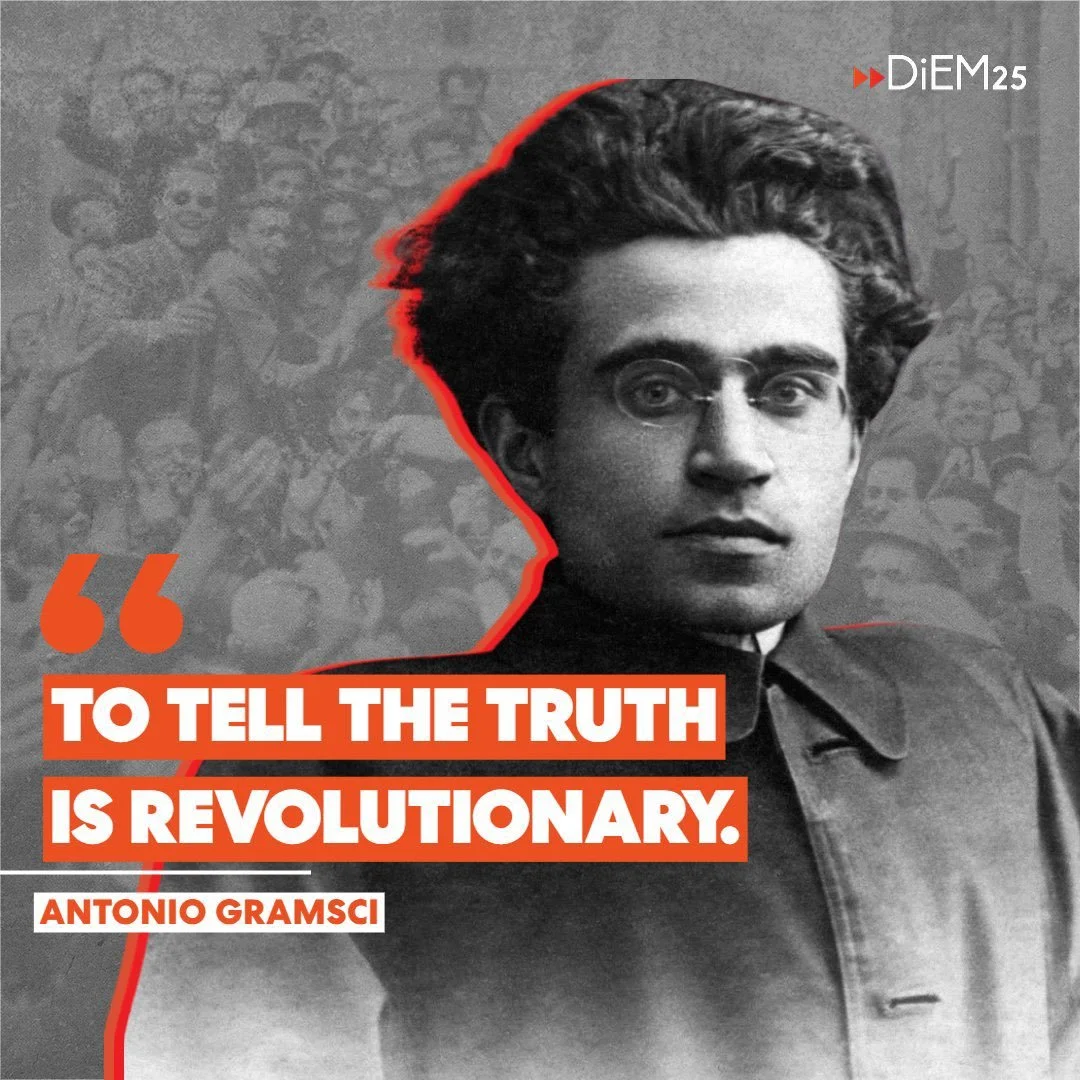
By 1926, Antonio Gramsci had spent years watching Mussolinis Blackshirts dismantle Italian democracy piece by piece — first the opposition press, then the unions, then parliament itself. He knew what was coming. Even so, when the fascist police finally arrested him that November, stripping him of the parliamentary immunity that had briefly protected him, it must have felt like the closing of a trap that had been years in the making.
At his trial, the state prosecutor is reported to have told the court that they needed to stop this brain from functioning for twenty years. It was a strange kind of tribute — an admission that the real threat Gramsci posed wasnt a gun or a mob, but an idea. He was sentenced to more than two decades in prison. His health, never strong, collapsed under the conditions of confinement Ménières disease, spinal tuberculosis, chronic insomnia, teeth that fell out from malnutrition. He wrote anyway. Denied normal writing materials and watched by censors who read everything he produced, he filled more than thirty notebooks in a private code of allusion and abstraction, disguising Marx as the philosophy of praxis and hegemony as leadership so the guards wouldnt understand what they were letting through. Family members and sympathetic visitors smuggled the pages out. Gramsci was finally released in 1937, already dying, and lived only a few more days as a free man. The notebooks survived him. Published decades later, they became one of the most influential bodies of political theory of the twentieth century — not because they described a revolution that happened, but because they explained one that hadnt.
What Gramsci actually argued
Classical Marxism had a fairly mechanical theory of change exploit people badly enough, and eventually they revolt. Gramsci, watching fascism triumph in Italy while communist revolutions failed to materialize almost everywhere else in Western Europe, thought this was too simple by half. Bad material conditions alone hadnt produced revolution. Something else was holding the old order in place.
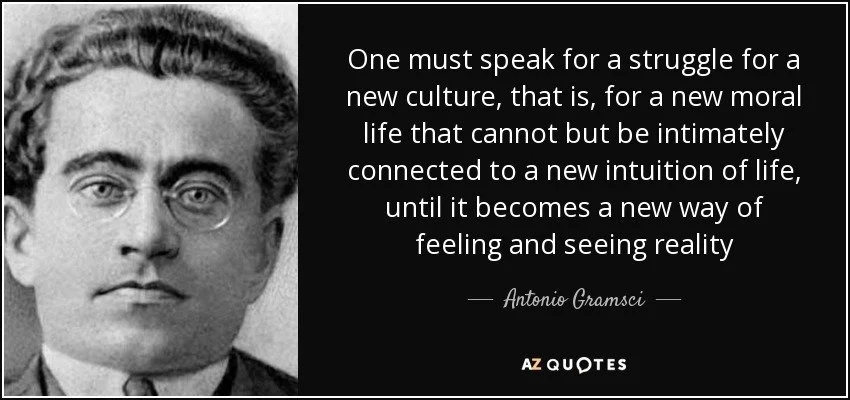
His answer was that ruling classes dont just control armies and factories — they control culture the schools that educate people, the newspapers and pulpits that inform them, the everyday assumptions nobody bothers arguing about because they simply feel like common sense. Gramsci called this cultural hegemony. When its working well, people dont merely obey the existing order — they consent to it, often without ever registering that a choice was being made at all. History is full of ideas that did exactly this elaborate, credentialed, seemingly scientific theories that happened to justify whoever already held power. Nineteenthcentury phrenologists measured skulls and declared some races and classes naturally suited to subordination social Darwinists dressed up rigid class hierarchy as the impartial verdict of evolution. Almost none of it held up once you pulled at the evidence — but on the surface, coming from men with university chairs and long titles, it looked like knowledge rather than ideology. That was the point. Before any real political transformation could happen, Gramsci argued, there had to be a slower, mostly invisible war of position — a contest over ideas, institutions, and everyday meaning, fought long before anyone reaches a barricade.
Its a useful lens for understanding disputes that otherwise look like unrelated news stories a fight over a college course requirement in Florida, a research grant canceled at the Pentagon, an argument about what a search algorithm shows you. Gramscis framework suggests these arent separate battles. Theyre skirmishes in the same long war over whose version of reality gets to count as neutral, default, and true.
Big Tech as the new infrastructure of hegemony
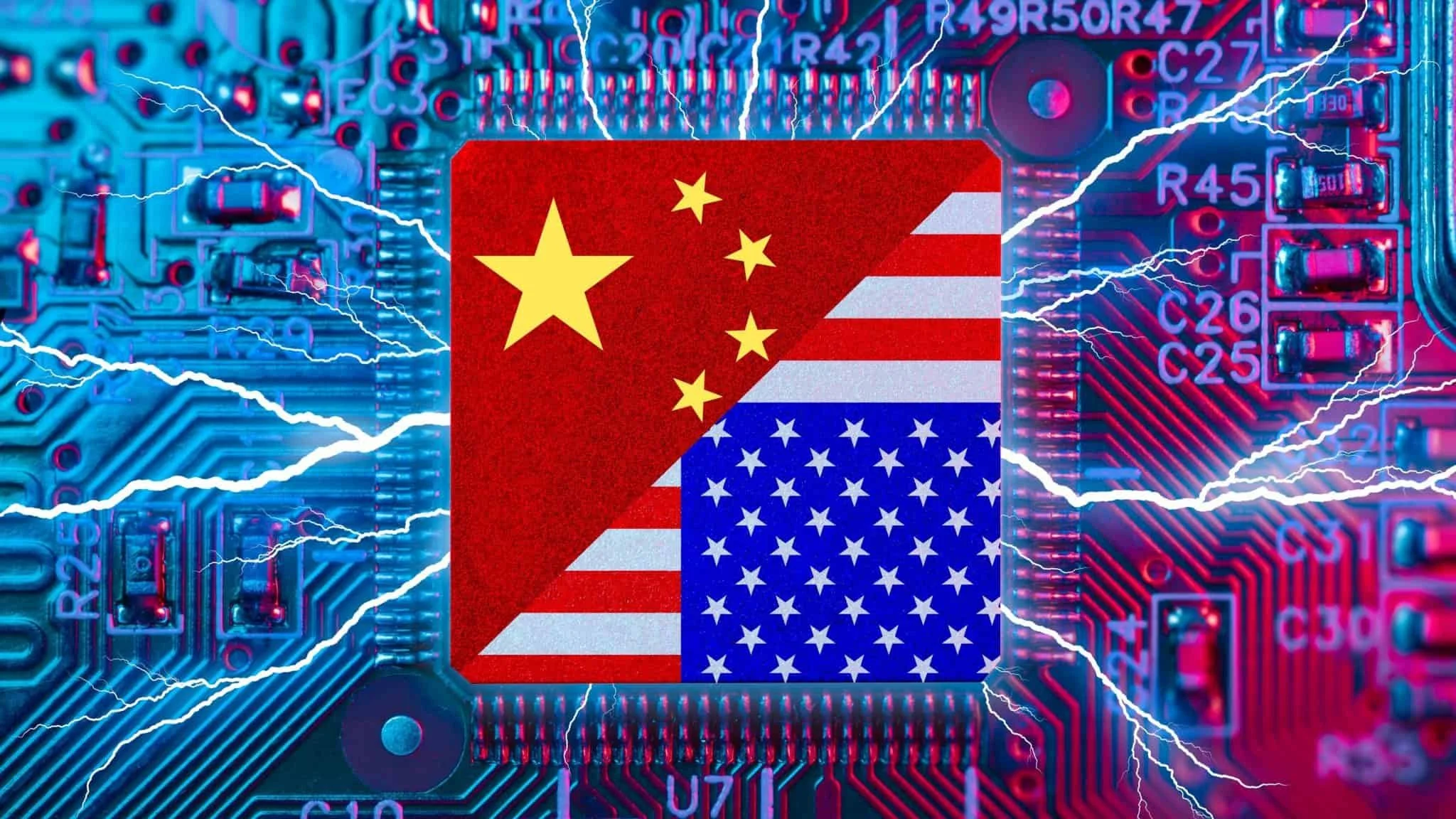
Gramsci wrote about newspapers and church pulpits. Todays equivalent infrastructure runs through a small number of platforms — Google, Meta, TikTok, Apple — that mediate what billions of people see, in what order, and how often. Media scholar Shoshana Zuboff has argued that these companies operate a form of surveillance capitalism, in which human behavior itself becomes raw material — extracted, predicted, and sold — a dynamic she says normalizes constant tracking as simply the price of digital life rather than a meaningful loss of privacy.
The mechanism is different from a state censor with a red pen, but the underlying dynamic Gramsci described — dominance that doesnt feel like domination — fits reasonably well. Platforms present themselves as neutral pipes for connection while their algorithms are tuned, ultimately, for engagement and profit. Automation and AI expansion get framed by industry leaders as inevitable technological progress rather than a series of contestable choices, which has the effect of making resistance to them look irrational rather than political. And because these platforms are so central to how information circulates globally, critics argue they function as a kind of soft cultural export — optimizing for the content, language, and norms that travel well in a handful of wealthy markets, while moderation labor and environmental costs are pushed onto poorer ones. None of this requires a conspiracy it can simply be what falls out of a business model built on attention and scale. But the cultural effect — a narrowing of what counts as normal — is the same phenomenon Gramsci was describing a century earlier, just running on different infrastructure.

Economic Stockholm syndrome
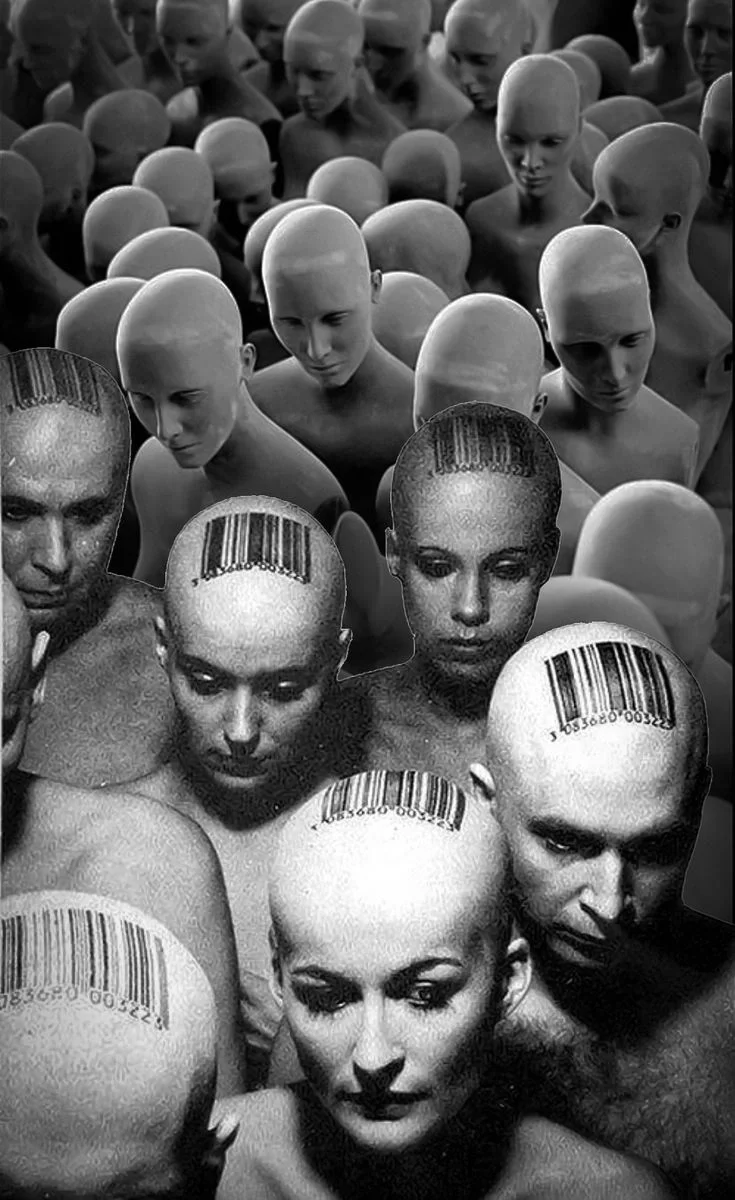
Some contemporary Gramscians push the argument a step further, using an unofficial but evocative phrase for what they see as hegemonys end state economic Stockholm syndrome — the idea that, over enough time, the norms and values of poor and workingclass people come to be set by the classes with the most to gain from their compliance, until people advocate for the very arrangements that disadvantage them. Its not a term from Gramscis own notebooks, and its more of a rhetorical shorthand than a rigorous concept, but it captures something he was pointing at hegemonys most efficient trick isnt forcing compliance, its making compliance feel selfchosen. Nobody has to subjugate you if youve been taught to subjugate yourself.
Curriculum. In Florida, the states Board of Governors voted in March 2026 to strip Introduction to Sociology from public universities generaleducation core entirely, following a multiyear fight that began with a 2023 antiDEI law barring gened courses from teaching that systemic racism or sexism shape American institutions. State University System Chancellor Ray Rodrigues argued the discipline had become ideologically captured and amounted to political advocacy dressed in the regalia of the academy. The American Sociological Association countered that the decision reflected a gross misunderstanding of sociology as an illegitimate discipline, arguing the field is an empirical study of social life central to civic literacy, not a political project. Its worth being precise this was a state action under a Republicancontrolled legislature and governor, not a direct federal order — but it unfolded inside the same broader antiDEI political climate the administration has pushed federally, and Florida officials have been explicit that they see themselves as part of that same fight.
Two ways to read this
A Gramscian reading of all this is straightforward this is a coordinated war of position, an attempt to make certain questions — is inequality systemic is gender identity a legitimate subject of federal research — effectively unaskable within official institutions, so that one contested worldview comes to feel like neutral common sense rather than one option among several.
Gramscis own theory anticipated this messiness. Hegemony, in his account, is never total or permanent — its constantly renegotiated, and counterhegemonic pushback a professional associations public letter, a lawsuit, a journalists records request is part of the same war of position, not evidence against the concept. Whether whats happening in Washington and Tallahassee right now is best understood as successful hegemonybuilding, a legitimate ideological correction, or an unresolved fight whose outcome isnt yet clear is, itself, a genuinely contested question — which is more or less the point.
Sources
Antonio Gramsci, Prison Notebooks (selections), and secondary overviews of cultural hegemony theory.
Shoshana Zuboff, The Age of Surveillance Capitalism (2019).
Ground Report, "Full list of words banned by Trump, including 'Climate Change,'" April 1, 2026.
Diane Ravitch's Blog / reporting on The New York Times federal-website word-audit findings, March 2025.
National Partnership for Women & Families, "One Year In, 53 Ways the Second Trump Administration Is Harming Women and Families," April 2026.
Sabin Center for Climate Change Law (Columbia University), "NIH Terminates Research Grants for LGBTQ+, Gender Identity, and DEI Studies," ongoing tracker.
STAT News, "NIH abruptly terminates DEI and transgender research grants," March 7, 2025; and "NIH director says DEI-related grants... won't be renewed," December 31, 2025.
ACLU, "Court Strikes Down NIH's Unlawful Termination of Research Grants on Topics Including DEI and Gender Identity," July 22, 2025.
Inside Higher Ed, "No NIH Grants for Colleges With DEI Programs or Israel Boycotts," April 23, 2025.
Science (AAAS), "Pentagon guts national security program that harnessed social science," March 2, 2025, and "Pentagon abruptly ends all funding for social science research," follow-up coverage.
Inside Higher Ed, "Sociology may be removed from gen. ed. course list in Florida," November 17, 2023, and "Florida Deals Another Blow to Sociology," March 30, 2026.
The Washington Post, "Florida state university system removes sociology as core course option," January 26, 2024.
WLRN, "Florida removes Sociology from 'core curriculum' as faculty cry foul," March 27, 2026.
CBS News Miami, "Florida removes sociology as a core subject in public universities as part of a push against DEI in education," March 27, 2026.
Georgetown Free Speech Project, "Florida university system removes sociology core requirement, to be replaced by 'factual' history," February 20, 2024 (includes American Sociological Association statement).
Miami Herald / Tribune wire coverage, "Florida bans sociology from core curriculum at state universities," March 26–27, 2026.