

Dignity of Work
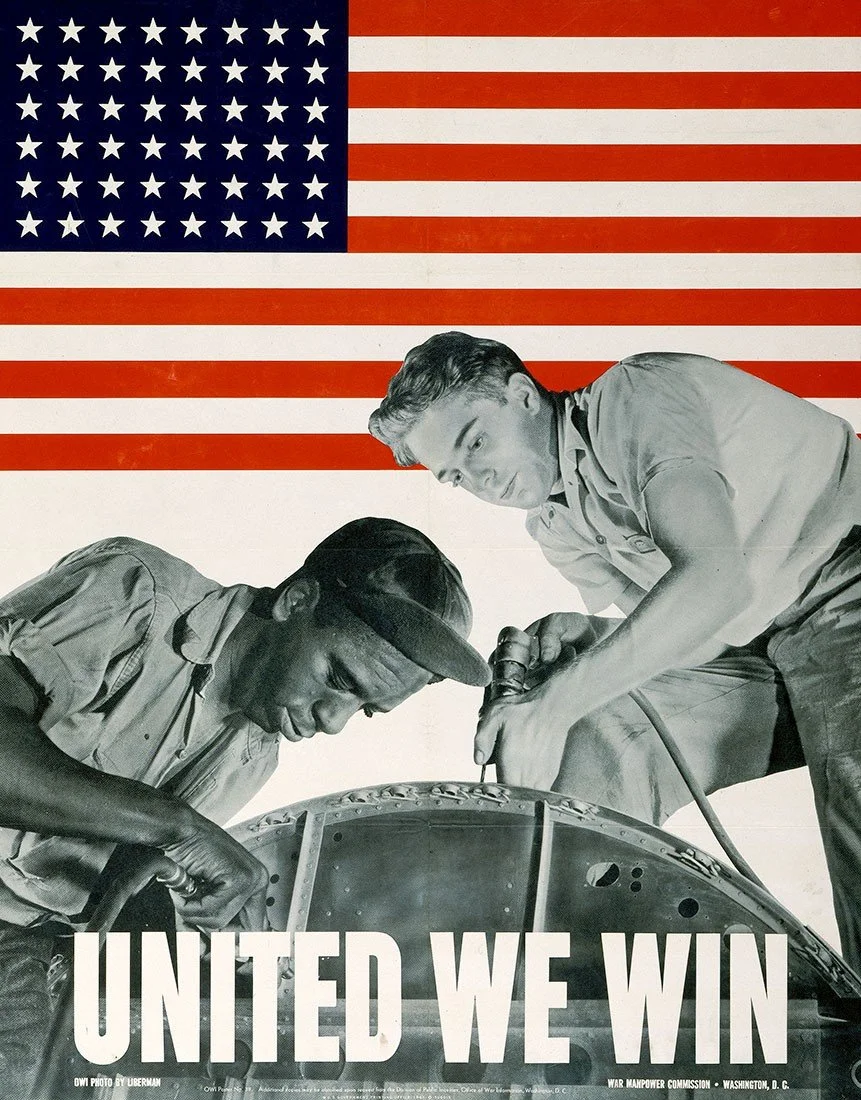
The moral architecture of a civilization is often revealed not by its grandest monuments, but by the value it assigns to its most humble participants. In the turbulent landscape of 1968, two of America’s most profound voices—Dr. Martin Luther King Jr. and Robert F. Kennedy—articulated a vision of society where work was not merely a means of survival, but the very foundation of human dignity and civic belonging. Their rhetoric transcended the simple mechanics of economics, suggesting that a nation’s health is inextricably tied to the respect it accords to every hand that builds it. To understand the dignity of work is to recognize that labor is the primary vehicle through which an individual asserts their personhood and claims their place within the human family.
The philosophical bedrock of this movement was perhaps most poignantly expressed during Dr. King’s final days in Memphis, where he stood in solidarity with sanitation workers who were striking for basic safety and recognition. King famously argued that "one day our society will come to respect the sanitation worker if it is to survive, for the person who picks up our garbage, in the final analysis, is as significant as the physician, for if he doesn't do his job, diseases are rampant." He asserted that all labor has dignity because all labor serves a human need; if the work is essential to the prevention of "rampant diseases," then the worker is essential to the preservation of life itself. This was the "I Am a Man" philosophy in practice: a demand that the worker be seen as a human being of infinite worth, rather than a mere cog in a municipal machine.

King’s point effectively challenged a deeply rooted hierarchy of prestige that elevates some professions while dismissing others as menial or invisible. Sanitation workers, janitors, delivery drivers, and maintenance staff often operate out of public view, yet modern society would collapse without their labor. The COVID-19 pandemic made this reality visible again. Workers once called “low-skill” suddenly became “essential workers.” Grocery clerks, nurses’ aides, warehouse workers, and sanitation crews continued working while others stayed home. King’s insight—that the health of a society depends on respecting those whose labor sustains everyday life—proved prophetic. In the modern workplace, his philosophy suggests a simple principle: dignity must not be tied to status. Compensation, safety, and respect should reflect the social value of work, not the prestige associated with it.
While King emphasized the inherent sanctity of the worker, Robert F. Kennedy focused on work as the essential glue of the democratic experiment, arguing that a nation is built through shared effort rather than shared consumption. Kennedy posited that fellowship, community, and a shared sense of patriotism do not emerge from "just buying and consuming goods together," but rather from a "shared sense of individual independence and personal effort." He saw the ability to work as the "answer to the welfare crisis," believing that true dignity is found in the "hand up" of employment rather than the "handout" of a check. For Kennedy, the shuttered mines of Appalachia were not just an economic failure but a spiritual tragedy, as they robbed "proud men" of their ability to contribute to the country they loved. He believed that when a citizen is denied the opportunity to work, they are effectively exiled from the "God's work" that must be carried out on earth through human agency.
When comparing the perspectives of these two leaders, one finds a remarkable convergence of goals achieved through slightly different analytical lenses. King’s perspective was primarily rooted in a moral and spiritual egalitarianism, viewing the degradation of the worker as a sin against the "interrelated structure of reality" and a threat to the physical survival of the community. Kennedy, conversely, viewed the dignity of work through a civic and patriotic lens, emphasizing that a society divided by fear and "a desire to retreat from each other" could only be healed through the common purpose of building a nation. While King fought for the recognition of those whose labor was exploited and ignored, Kennedy fought for those whose labor was being rendered obsolete by shifting economies. Despite these differences, both men arrived at the same radical conclusion: that a society’s "Gross National Product" is a hollow metric if it does not account for the "compassion or our devotion to our country" that is fostered through meaningful, respected labor.
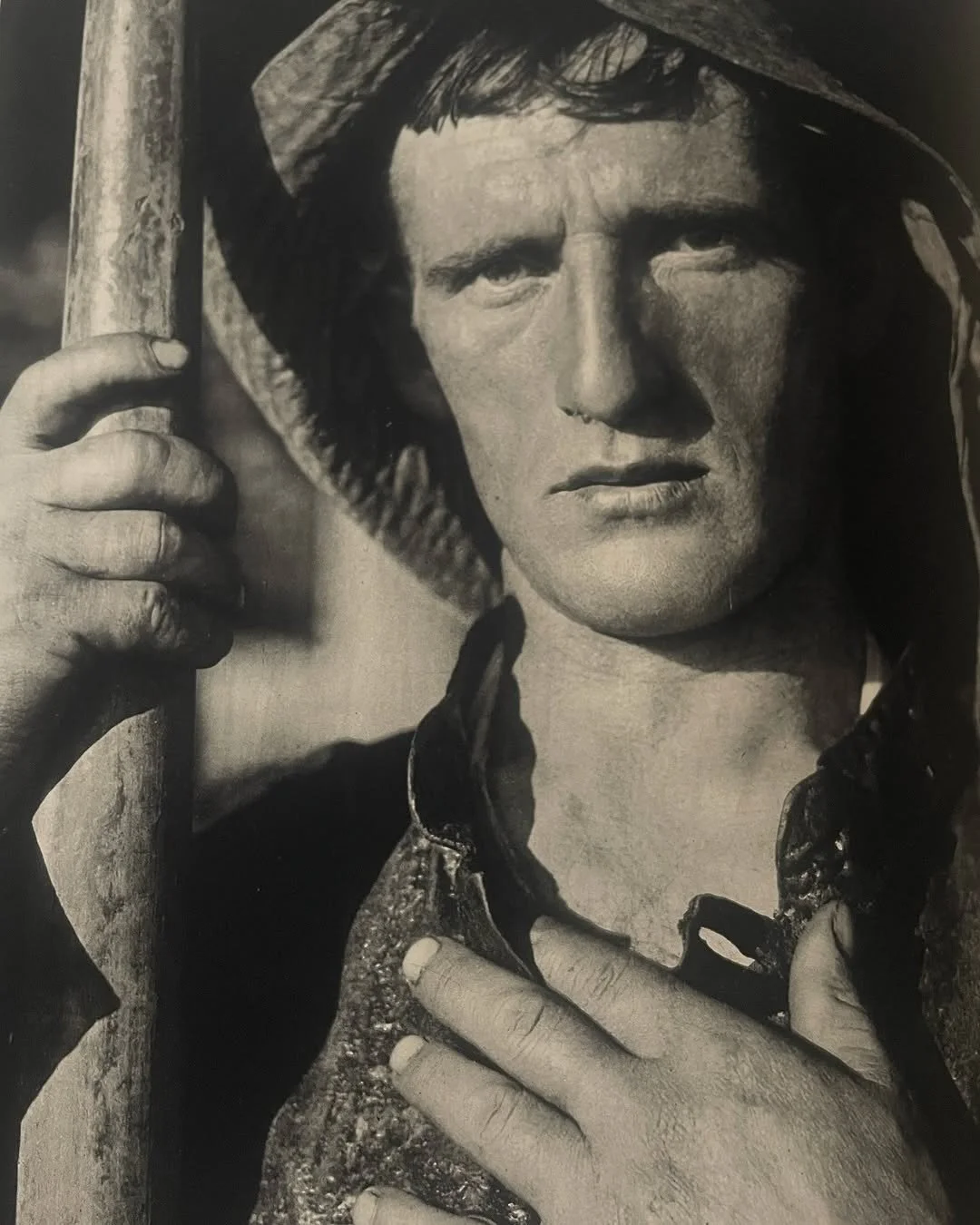
The synthesis of these two legacies provides a timeless mandate for the modern era, reminding us that the spirit of division cannot flourish where there is a shared commitment to the dignity of every person. Kennedy’s warning that our lives are "too short" and the work to be done is "too great" to allow division to persist serves as a call to service that mirrors King’s insistence on the "dignity of labor." They both understood that personal responsibility and community health are two sides of the same coin; a community gets the "kind of law enforcement" and the level of social stability it insists upon through its treatment of its most vulnerable members. Ultimately, the dignity of work is the recognition that every individual contribution is a thread in the national tapestry. If the society fails to respect the weaver, the fabric of the civilization will inevitably unravel, leaving behind only the cold, unfeeling metrics of consumption in place of a living, breathing community.
We should have pride as Americans, we should be united, we are all on the same team called “America”, we should all believe in it! If we don’t, if we aren’t fighting for each other, then why are we playing this game?