Who Gets Chosen? Unelected Power, Internet Billionaires, and Informal Leadership

Internet billionaires are often described as self-made innovators, but their rise is rarely the result of individual effort alone. Behind nearly every dominant technology company lies a network of investors, venture capital firms, and institutional backers who decide—early and decisively—which ideas receive capital, visibility, and time to mature. In this sense, many of the most powerful figures in the digital economy were not simply successful; they were chosen.
This form of selection operates outside democratic processes. Unlike political leaders, technology executives are not elected, yet they exercise extraordinary influence over communication, labor, commerce, and public discourse. Their authority derives not from popular consent, but from financial endorsement.
The Mechanics of Being “Chosen”

Venture capital is not a neutral marketplace of ideas. Investors place bets on founders they believe can scale, dominate, and generate returns. These decisions are shaped by networks, cultural familiarity, perceived credibility, and risk tolerance. Once capital is allocated, success becomes more likely—not because the chosen company was inevitable, but because it was enabled.
This creates a feedback loop. Capital attracts talent, press attention attracts users, users attract more capital. Over time, the founder becomes synonymous with innovation itself. Figures like Mark Zuckerberg are then retroactively framed as destiny, rather than as beneficiaries of a series of contingent financial decisions.
In this framework, it is reasonable to ask whether the “next Zuckerberg” already exists—someone equally capable, but never chosen.
Power Without Mandate

The result is a class of leaders who govern key aspects of social life without formal accountability. Social media platforms shape political discourse. Algorithms influence attention and behavior. Corporate policies determine speech norms, labor conditions, and access to markets.
Yet these decisions are made by individuals whose legitimacy rests solely on ownership and investment. Their power is real, but it is not voted on.
This raises a broader question: how does leadership emerge in systems that are not democratic?
Informal Leadership in Marginalized Economies
The same question applies in underground or informal economies. Sex work, for example, is often discussed as fragmented and individualized, but it too produces hierarchies, influence, and informal leaders. These may include agency owners, high-earning performers, platform intermediaries, or individuals with access to clients, protection, or capital.
No one elects a “leader of sex workers.” Leadership emerges through money, visibility, control of resources, and perceived success. Those who accumulate capital—financial, social, or reputational—gain influence over norms, pricing, safety practices, and access.
In this way, informal economies mirror formal ones. Authority flows toward those who control capital, not those who represent collective interests.
Billionaires as Structural Winners
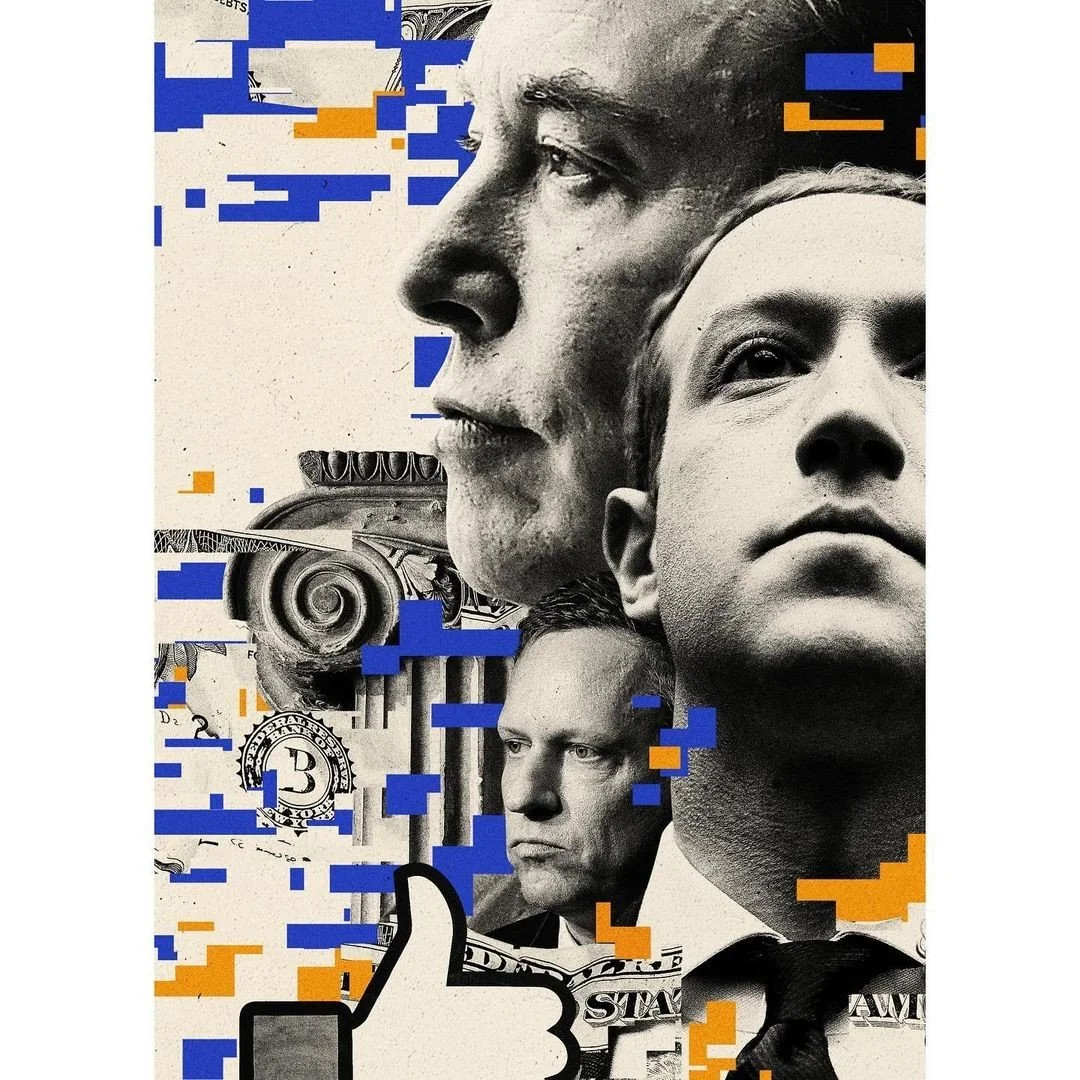
The comparison highlights a shared dynamic: whether in Silicon Valley or underground markets, power consolidates around those who are backed, protected, and amplified. Billionaires are not simply individuals with wealth; they are structural winners in systems that reward scale and concentration.
This does not mean their success is illegitimate, but it does challenge the idea that it is purely meritocratic. Selection precedes dominance. Investment precedes innovation at scale.
Rethinking Leadership and Accountability
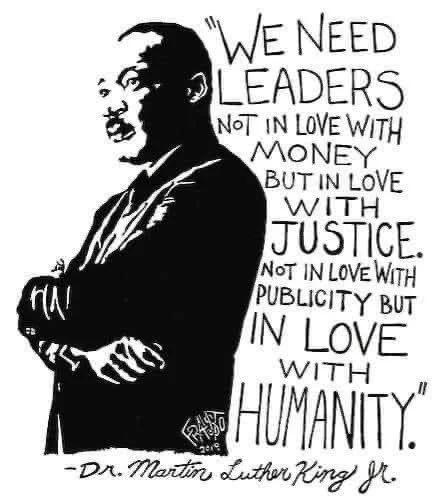
As unelected actors continue to shape public life, questions of legitimacy become harder to ignore. Who decides which voices matter? Who is elevated to leadership? Who benefits from these decisions—and who is excluded?
Whether examining internet billionaires or informal leaders in marginalized economies, the pattern is consistent: power follows capital. And capital chooses long before the public ever notices.
The more consequential question may not be who rises to the top, but who never gets the chance to begin.
"Democracy in the Workplace" - Richard D Wolff https://youtu.be/rde3O50mTFk?si=6S1cOK6qmDMSfsq0
democracy at work non profit https://www.democracyatwork.info/
Noam Chomsky - Taxpayers Make the Investments, Corporations Take the Profits https://youtu.be/a4ZIhW5ZpaE?si=ApXml70gwvuxT9Ox